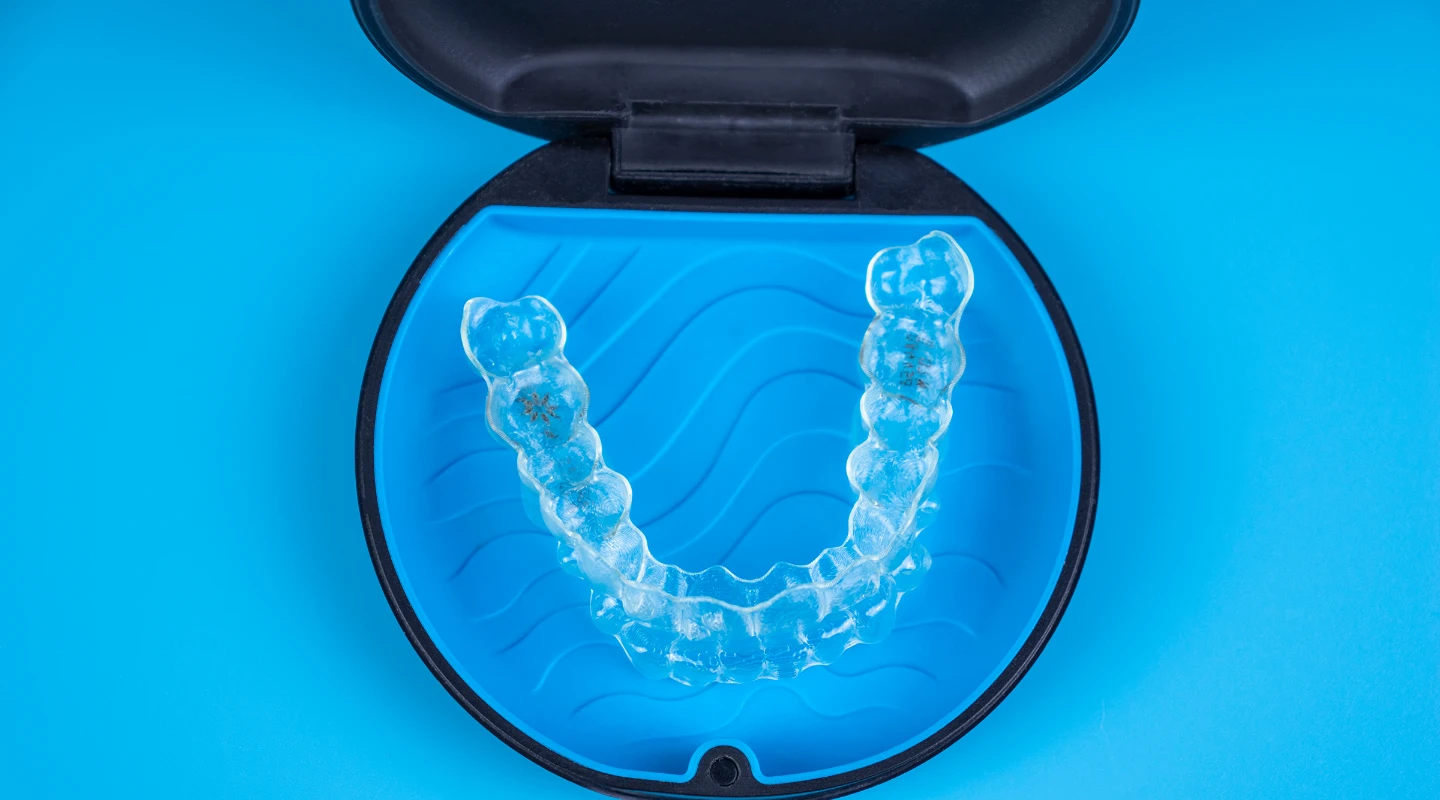
Invisalign treatment uses a series of transparent, removable trays designed to move your teeth gradually according to an individualized treatment plan. Because the trays fit over your teeth without traditional brackets and wires, Invisalign can be a convenient option for patients who prefer a less noticeable orthodontic treatment.
Depending on your individual needs, Invisalign may help address:
Not every orthodontic concern is suitable for Invisalign. An examination allows your orthodontist to evaluate your teeth and bite and determine whether Invisalign or another treatment would provide a more appropriate approach.
Invisalign may suit teens and adults who want to straighten their teeth without traditional braces. Candidacy depends on your orthodontic needs, oral health, and the tooth movements required.
Before treatment, your orthodontist will assess your teeth, bite, and gum health. Cavities or gum disease may need treatment first. You must also wear Invisalign trays for approximately 20–22 hours daily, removing them for meals, drinks other than water, and brushing and flossing.
Parents can explore Invisalign for teens to learn about treatment options for younger patients.
Understanding the treatment process can help you prepare for your consultation and know what to expect.
Your orthodontist evaluates your teeth and bite, discusses your smile goals, and determines whether Invisalign is appropriate. This is also your opportunity to ask about the expected treatment duration, number of trays, costs, and follow-up appointments.
If you are a suitable candidate, your orthodontist develops a plan for the intended tooth movements. Some patients need small, tooth-colored attachments placed on certain teeth to help Invisalign trays achieve specific movements.
You will wear each set of trays according to your orthodontist's instructions and change them at the prescribed intervals. Mild pressure or temporary tenderness may occur when you begin wearing a new set. You may also notice a short adjustment period as your speech adapts to the trays.
Regular appointments allow your orthodontist to monitor your progress and make recommendations when needed. Once Invisalign treatment is complete, retainers help keep your teeth in their new positions. Your orthodontist will explain how and when to wear them.
Treatment duration and the total number of trays vary based on the complexity of your case and your consistency with wearing Invisalign.
Invisalign and traditional braces can both improve tooth alignment, but they differ in how they work and what they require from patients.
| Invisalign | Traditional Braces |
| Uses transparent, removable trays. | Uses brackets and wires attached to the teeth. |
| Can be removed for meals and oral hygiene. | Remains in place throughout treatment. |
| Requires consistent daily wear. | Works continuously without relying on the patient to reinsert the appliance. |
| May suit many alignment concerns. | May offer better control for certain complex tooth movements. |
The right option depends on your orthodontic needs and preferences. Bryant Orthodontics also offers SureSmile braces and clear braces. Your orthodontist can explain how these treatments compare with Invisalign and help you choose an appropriate option.
According to the American Association of Orthodontists, orthodontic treatment involves different approaches to correcting tooth alignment. An orthodontic evaluation can help determine which option best addresses your individual needs.
Invisalign costs depend on your case complexity, treatment duration, and included services. During your consultation, ask about the total fee, including retainers and follow-up care.
Bryant Orthodontics offers financing through Cherry and CareCredit, along with family discount plans. Contact the practice to discuss available options, eligibility, and payment terms.
Understanding the costs upfront helps you plan for treatment with confidence.
Dr. Michael Bryant has advanced training in orthodontics, earning his dental degree from Meharry Medical College in 1993 and completing his orthodontic studies at Boston University in 1998. His background supports the evaluation of tooth alignment and bite concerns to determine whether Invisalign is an appropriate treatment option.
Dr. Bryant emphasizes patient communication and individualized care, helping patients understand their orthodontic options and treatment goals.
No. Remove your Invisalign trays before eating to avoid damaging or staining them. Rinse your mouth and clean your teeth before putting the trays back in.
Clean your trays daily using a soft toothbrush and lukewarm water or an Invisalign-approved cleaning product. Avoid hot water, which can warp the plastic.
Contact your orthodontist for guidance. Depending on your treatment stage, they may recommend wearing a previous set, moving to the next set, or getting a replacement tray.
Yes, Invisalign can generally accommodate most sports. However, ask your orthodontist whether you should wear a mouthguard during contact sports to protect your teeth and trays.
No. Active Invisalign treatment ends when your planned tooth movements are complete. However, you will need to wear retainers as directed to help prevent your teeth from shifting back over time.

If you are considering Invisalign in Catonsville, MD, MD, Bryant Orthodontics can help you explore your options and determine whether treatment fits your needs. An orthodontic consultation gives you the opportunity to discuss your smile goals, understand the recommended approach, and ask questions about treatment and cost.
Bryant Orthodontics
7147 Security Blvd #100, Windsor Mill, MD 21244
Office Hours
Monday, Wednesday, Friday: 9:00 AM–5:50 PM
Tuesday, Thursday: 9:00 AM–5:00 PM
Saturday: 9:00 AM–3:00 PM
Sunday: Closed
Request an Invisalign Consultation to discuss your treatment options with Bryant Orthodontics.