
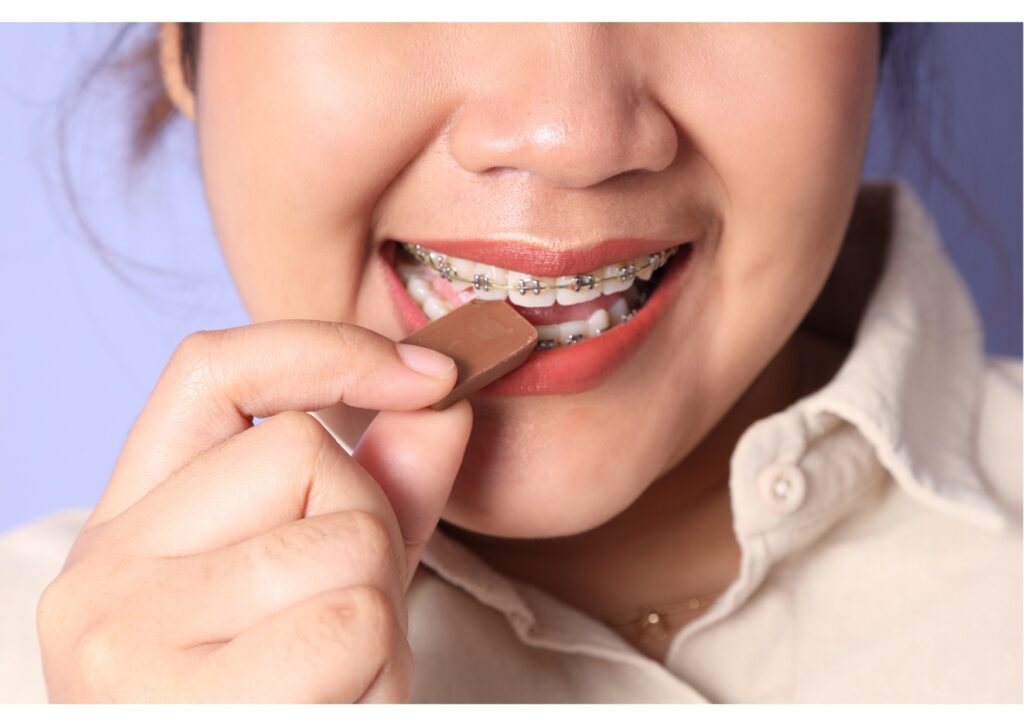
Many patients quickly ask, can you eat candy with braces, especially in everyday situations like parties or movie nights. The concern often comes down to whether a small treat could lead to a broken bracket, discomfort, or an extra orthodontic visit. This question is common for both new patients and families adjusting to braces care.
From a parent’s perspective, the issue is not just about candy. It is about protecting a treatment that requires time, consistency, and financial investment. Braces rely on steady pressure to move teeth, and certain foods can interfere with that process.
The short answer is that some candy may be eaten with braces, but many types are not worth the risk. Texture plays a major role, sometimes more than sugar itself. Bryant Orthodontics in Windsor Mill, MD supports patients and families by providing guidance and care throughout every stage of orthodontic treatment.
Braces create small spaces where food and plaque can collect easily. Plaque produces acid when it interacts with sugar, which can weaken enamel over time. This increases the risk of white spot lesions, which often appear as faint white marks on teeth and may remain even after braces are removed.
There is also a mechanical concern. Brackets and wires are carefully positioned to guide tooth movement. Sticky or hard candy can pull, bend, or place pressure on these components in ways that disrupt treatment.
This is why orthodontic guidance around candy tends to be stricter. The goal is not only to prevent cavities but also to protect the braces themselves. Maintaining both oral health and appliance integrity is essential for successful results.
Some candies are consistently problematic because of how they behave during chewing. Sticky textures can cling to brackets, while hard candies can cause sudden force. Both situations increase the likelihood of damage.
| Candy Type | Why It Is Risky With Braces |
| Caramel, taffy, gummies, licorice | These can stick around brackets and pull on wires when chewing |
| Hard candy, jawbreakers, lollipops | Biting down can crack a bracket or bend a wire |
| Peanut brittle, toffee, nut clusters | These combine hardness with sharp pressure points |
| Sour chewy candy | Often both sticky and acidic, which may increase enamel stress |
| Popcorn balls or candy-coated nuts | Hard fragments can wedge under wires or break attachments |
Even small amounts can become an issue if eaten frequently. Repeated exposure to sugar and pressure increases risk over time. Moderation and awareness make a significant difference during treatment.
Softer candies that dissolve quickly are generally less problematic. Plain chocolate without nuts, caramel, or hard pieces is often a safer option. Peanut butter cups may also be easier on braces compared to chewy candy.
A simple guideline helps patients make better choices. If a candy sticks, requires force to bite, or takes a long time to chew, it is best avoided. Softer options are typically easier to manage when followed by proper cleaning.
Lower risk does not mean no risk. Even softer sweets can contribute to plaque buildup around brackets. Good oral hygiene remains essential after any sugary food.
Early signs of a problem are often subtle. A child may mention soreness after eating or feel something unusual around a bracket. Sometimes a wire may appear slightly out of place.
Those details matter. Mild soreness may simply reflect pressure on teeth, but a bracket that feels loose, a wire that is poking, or a piece that visibly shifted deserves attention. A broken bracket is not always an emergency, but it should be reported so the orthodontic team can decide how soon it needs repair.
Many parents find it helpful to discuss early monitoring and family-focused options through children's orthodontics so small problems are caught before they become bigger.
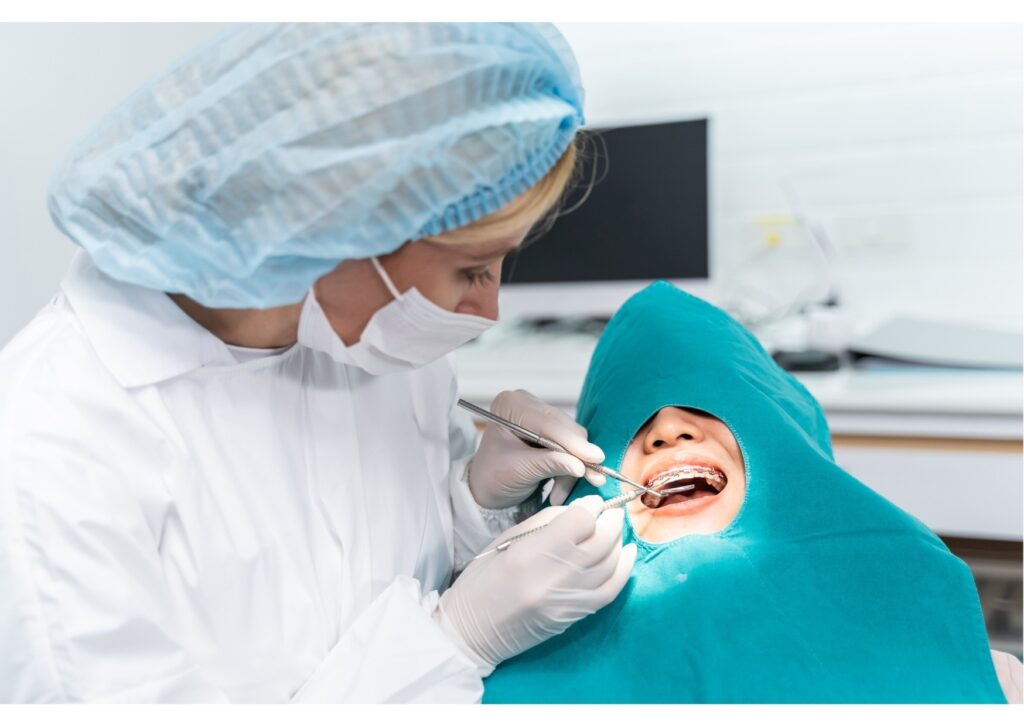
If there is noticeable pain, swelling, or injury from a wire, prompt attention is important. Orthodontic teams can assess the situation and determine the appropriate timing for care. Early communication helps keep treatment on track.
Frequent candy consumption can lead to broader oral health concerns. Plaque buildup around brackets may result in white spots, gum irritation, or persistent bad breath. These issues can develop gradually and may last beyond treatment.
This makes the discussion about candy more than a simple restriction. The goal is to protect both tooth alignment and long-term enamel health. Preventive habits are key throughout the orthodontic process.
An evaluation may be needed if symptoms persist. Ongoing soreness, visible enamel changes, or gum bleeding should be assessed. Professional guidance helps determine whether adjustments or repairs are necessary, especially if there are signs of an orthodontic emergency.
For appliance repairs or treatment questions, contact Bryant Ortho for prompt guidance about next steps and timing for repair or monitoring.
No family operates in a perfectly controlled environment. Holidays, school events, and shared treats are part of everyday life. The goal is not perfection but reducing the types of candy and habits that create the most risk.
It helps to limit sweets to mealtimes or a set snack window instead of constant grazing. Eating candy in one sitting and brushing afterward is better than spreading it out over hours. Frequent exposure allows plaque to produce more acid and increases the chance of enamel damage.
A realistic strategy is to sort candy into three groups: avoid, okay in small amounts, and save for after braces. This method feels more manageable and realistic for most families. It also supports better long-term habits without strict restrictions.
Practical habits can help reduce the risk of damage during braces treatment. These strategies support both appliance care and oral health.
Consistency matters more than perfection. Daily care habits have a greater impact than occasional indulgences. These small efforts add up over the course of treatment.
Candy is closely tied to celebration, rewards, and social moments, which can make braces restrictions feel challenging for both kids and parents. The concern is not just sugar but also the pressure of having to make different choices in everyday situations. Recognizing this helps families approach the issue with balance rather than frustration.
Clear and practical guidance works best. Patients tend to succeed with realistic habits like better timing, smarter choices, and consistent cleaning instead of strict rules. This approach supports both oral health and a more manageable daily routine.
The message is simple: enjoy treats in moderation, protect your braces, and pay attention to any changes. Acting early helps prevent small issues from turning into treatment delays.
If candy has caused damage or you have ongoing concerns, contact Bryant Orthodontics in Windsor Mill, MD at (443) 917-2128 to schedule an evaluation. Our team can advise next steps and often offers prompt appointments to get you back on track.
Usually yes, especially if it is plain chocolate without caramel, nuts, or hard pieces. It is still best in moderation, followed by careful brushing.
Contact your orthodontic provider and explain the situation. The timing of repair depends on discomfort and whether the wire has shifted. For repair visits, reach out about braces care, and we can let you know whether a prompt appointment is recommended.
Not always. Sugar-free candy may still be sticky, chewy, or hard enough to damage braces, so texture still matters.
Aligners are different because they are removable, but candy should not be eaten while the trays are in place. Learn more about clear aligners and the cleaning and wear-time rules for your specific system.
Seek care if there is severe pain, swelling, significant bleeding, or a wire causing injury. If unsure, it is best to contact your orthodontic provider for guidance.