
If crowded teeth, gaps, or a bite that feels off has been bothering you, braces are still one of the most reliable ways to move teeth into healthier positions. For many patients, the first big decision is clear braces vs. metal braces and whether the cosmetic difference matters enough to shape the choice.
Both options use brackets attached to the teeth and a wire that guides tooth movement over time. The main differences are visibility, day-to-day upkeep, and how each option fits your specific alignment or bite needs.
Bryant Orthodontics provides personalized treatment plans in Windsor Mill, MD, and offers the kind of treatment planning patients weighing cosmetic and functional options may be looking for.
Metal braces use stainless steel brackets and wires. They are the most visible type, but they are also durable, efficient, and widely used for both simple and more complex orthodontic cases.
Clear braces work in a similar way, but the brackets are made from tooth-colored ceramic or another clear-looking material that blends in better with natural teeth. Many adults and teens choose them because they are less noticeable in photos and conversation.
Clear braces are not the same as clear aligners. Aligners are removable trays, while clear braces stay fixed on the teeth and are adjusted by an orthodontist.
If appearance is your top concern, clear braces usually have the advantage. From a normal speaking distance, they tend to blend in better than metal brackets.
That said, clear braces are not invisible. The wire may still show, and elastic ties can stain from coffee, tea, curry, tomato sauce, and smoking.
Metal braces are more noticeable, but many patients stop thinking about them after the first few weeks. Appearance matters, but treatment goals should still guide the final decision.
For many patients, both clear and metal braces can correct crowding, spacing, rotations, and bite issues. Orthodontists usually choose between them based on how much control is needed and how complex the tooth movement will be.
Metal braces are often preferred for more complex bite correction because they are dependable under heavier forces. They may also be a practical choice when treatment needs to stay as efficient as possible.
Clear braces can still treat many moderate to complex cases, especially when appearance is a major priority. In some situations, though, an orthodontist may recommend metal braces for certain teeth or for cases where bracket breakage is more likely.
A bite problem can include overbite, underbite, crossbite, or open bite. These terms describe how the upper and lower teeth meet, and they matter because braces do more than improve appearance.
Any braces can cause pressure and tenderness after placement or adjustment. That soreness usually means the teeth are starting to move, and it often improves within a few days.
Clear braces may feel a little bulkier than metal braces. Some patients also notice that ceramic brackets feel slightly rougher against the lips at first.
Metal braces are smaller in many systems, which may help with comfort. Still, a poking wire or rubbing bracket can happen with either type, and your orthodontic office should be contacted if irritation is significant or a wire comes loose.
For small sore spots or rubbing, orthodontic wax can provide quick relief until you can be seen.
Metal braces are generally the tougher option in everyday use. They tend to handle chewing forces well and are less likely to chip than ceramic brackets.
Clear braces are strong enough for many patients, but they can be more brittle. That can matter if you have a deep bite, chew hard foods often, or have a history of breaking dental appliances.
Broken brackets can slow treatment because they reduce control over tooth movement. If a bracket comes off, the safest next step is to arrange an orthodontic visit rather than trying to fix it at home.
Both types of braces trap food more easily than teeth without appliances, so brushing and flossing take more effort. Plaque is a sticky film of bacteria, and if it builds up around brackets, it can lead to swollen gums, bad breath, or white marks on the enamel.
Clear braces often need more careful cosmetic upkeep because the elastic ties can discolor between visits. The brackets themselves usually resist staining fairly well, but the overall look can still appear darker if oral hygiene slips or strongly pigmented foods are common.
Metal braces tend to hide discoloration a little better day to day. For some patients, that makes them the easier low-maintenance choice.
For a more detailed list of foods to avoid and safer choices, see our guide to eating with braces.
The total time in braces depends mostly on the starting alignment, bite relationship, age, bone response, and whether brackets break during treatment. Mild crowding may move faster than a complex bite correction, regardless of bracket type.
Metal braces may offer a small efficiency advantage in some cases. They are often easier to adjust and may hold up better when stronger mechanics are needed.
Clear braces can still produce excellent results, but treatment may be a little less forgiving if breakage or staining leads to extra visits. The difference is not dramatic for every patient, but it is a reasonable point to discuss during treatment planning.
In many practices, clear braces cost more than metal braces. The higher fee often reflects the bracket material and, in some cases, the added complexity of managing a more aesthetic appliance.
The final cost also depends on how difficult the case is, how long treatment is expected to take, and whether both arches need the same type of brackets. Some orthodontists use clear braces only on the upper front teeth and metal braces elsewhere to balance appearance and cost.
A consultation or discussion of our treatment plans is the best time to ask for a full breakdown of fees, follow-up visits, retainers, and what happens if treatment runs longer than expected. That gives you a more useful comparison than looking at a single advertised price.
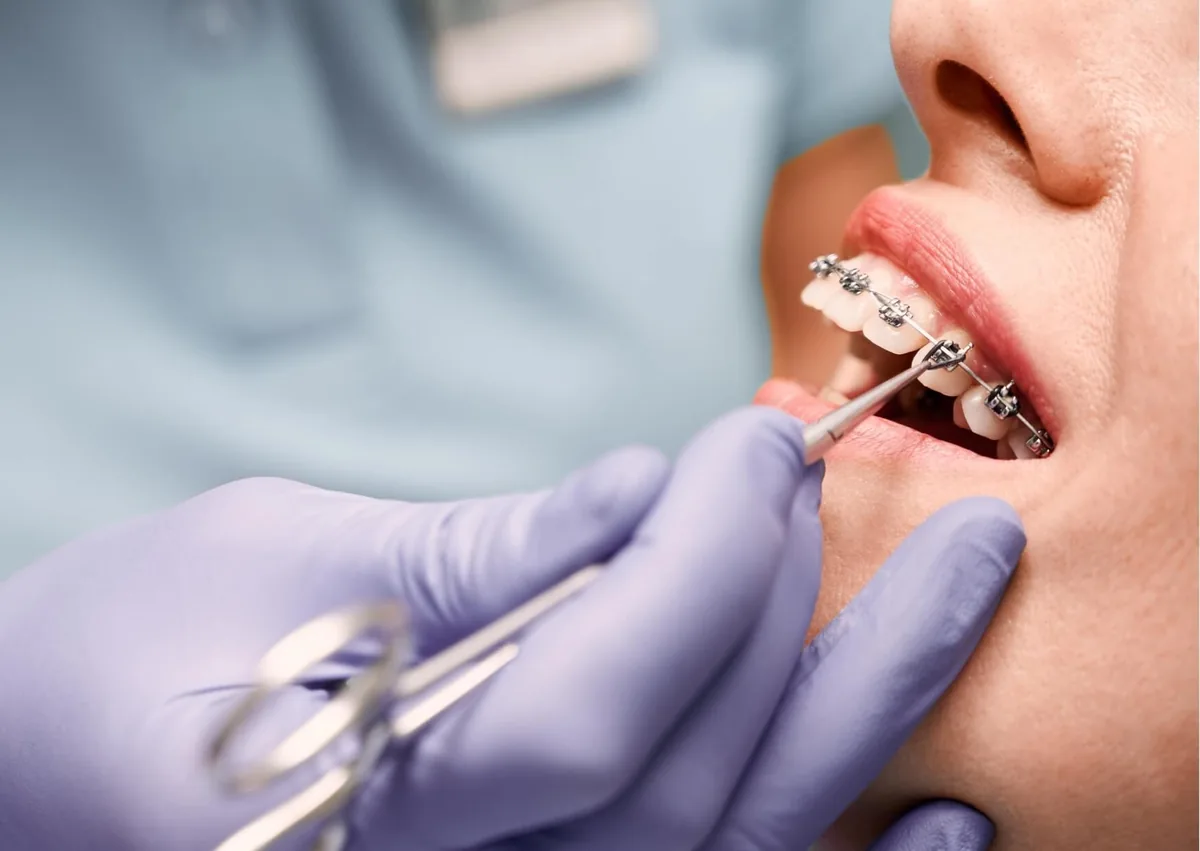
Clear braces are often a good fit for adults and older teens who want a less visible option for work, school, meetings, or photos. They can also be a strong middle ground for patients who do not want metal braces but are not ideal candidates for removable aligners.
Metal braces often make more sense for younger patients, very active patients, and those with significant crowding or bite correction needs. They are also a practical choice when durability and efficiency matter more than appearance.
There is no universal best option. The right choice depends on your teeth, your bite, your daily habits, and how strongly appearance affects your comfort and confidence during treatment.
If your teeth are crowded, hard to clean, visibly shifting, or not meeting properly when you bite, an orthodontic evaluation is reasonable. Jaw strain, frequent cheek biting, uneven tooth wear, or trouble biting into food can also point to a bite issue worth checking.
Some problems are mainly cosmetic, but others can affect gum health, enamel wear, and long-term function. A proper exam may include photos, X-rays, and a bite analysis to see which movements are needed and whether clear or metal braces would be more predictable.
If you have had treatment before or are worried about relapse, read about when you might need braces again.
Seek prompt dental care if there is severe pain, facial swelling, trauma to the teeth, or a broken orthodontic appliance causing injury. Those problems need direct professional assessment rather than routine scheduling.
If the choice between clear and metal braces still feels close, that is normal. A good orthodontic consultation should explain what is possible in your specific case, what tradeoffs are real, and which option is most likely to deliver a stable result.
Bryant Orthodontics offers personalized treatment plans in Windsor Mill, MD, and serves patients from nearby Owings Mills and Ellicott City. Call (443) 917-2128 to schedule an evaluation.
In many cases, yes. Clear braces can treat a wide range of alignment and bite problems, but metal braces may be preferred for some complex cases because they are more durable and can offer very consistent control.
The brackets themselves usually resist staining fairly well, but the elastic ties around them can discolor over time. Coffee, tea, red sauces, curry, and smoking are common causes.
Sometimes, but not always. Treatment time depends more on the complexity of the case, bracket breakage, and how the teeth respond than on bracket color alone.
Both can cause soreness after placement and adjustments. Some patients find metal braces a little less bulky, while others do well with either option after the first adjustment period.
Yes. Adults commonly choose both types, and the best option depends on appearance goals, bite needs, and daily habits rather than age alone.