
Gap teeth treatment can close unwanted spaces with braces, clear aligners, dental bonding, veneers, or a combination of approaches. The right option depends on why the gap formed, how your teeth and bite fit together, your gum health, and whether the goal is to move teeth or change how they look.
If you're weighing options to close a gap or unsure which approach best fits your bite, a personalized treatment plan can clarify whether orthodontics or cosmetic work is right for you. Bryant Orthodontics in Windsor Mill, MD creates tailored plans that outline expected results, timing, and maintenance so you can make an informed decision.
A gap between teeth is called a diastema. It often appears between the upper front teeth, but spaces can form anywhere because of tooth size, jaw size, missing teeth, tooth position, or habits that place repeated pressure on the teeth.
A thick or low-attaching band of tissue between the upper lip and gums, called the labial frenum, may contribute to a front-tooth gap. Other causes can include a small or missing tooth, tongue pressure during swallowing, thumb-sucking, or drifting after tooth loss.
A new or widening gap in an adult deserves attention. It may be related to gum disease and bone loss, especially if you also notice bleeding gums, bad breath, loose teeth, or a changing bite. An evaluation that includes adult orthodontics can help determine whether orthodontic care, periodontal treatment, or restorative work is the better fit.
The best treatment should match both the cause of the space and the result you want. Orthodontic care moves teeth and can improve root position and bite function, while bonding or veneers change tooth shape without correcting the underlying alignment.
|
Treatment |
Often Suited To |
Main Tradeoffs |
|---|---|---|
|
Multiple spaces, rotated teeth, or bite problems |
Precise control for complex movement, but appliances are visible and need careful cleaning |
|
|
Clear aligners |
Mild to moderate spacing in appropriate cases |
Removable and less noticeable, but results depend on consistent wear |
|
Dental bonding |
Small gaps with otherwise acceptable alignment |
Conservative and efficient, but resin can stain, chip, or need replacement |
|
Porcelain veneers |
Gaps with concerns about tooth shape, color, or proportion |
Durable cosmetic change, but usually requires irreversible tooth preparation |
|
Dental implant or bridge |
A space caused by a missing permanent tooth |
Replaces a tooth rather than pulling neighboring teeth together; suitability depends on oral health and development |
Braces can close simple spaces or manage more complex tooth and bite movement. Clear aligners may offer a more discreet option, but they usually must be worn most of the day and are not ideal for every type of movement. If you are comparing bracket options, clear vs. metal braces can help.
Orthodontic treatment is often the better choice when teeth are tipped, rotated, crowded elsewhere, or not fitting together correctly. If a tooth is missing, the orthodontist may either close the space or create the right amount of room for a future replacement.
Dental bonding uses tooth-colored resin to make one or more teeth slightly wider, which can visually close a small gap. It usually removes little or no healthy enamel, but the material is less stain-resistant and less durable than porcelain.
Veneers can improve spacing and tooth proportions at the same time, but they are usually irreversible. If you are comparing cosmetic options, crowns vs. veneers offer more detail. Cosmetic treatment should still preserve natural tooth proportions, so a larger gap may need orthodontic movement before bonding or veneers.
A dentist or orthodontist may check whether the labial frenum is contributing to a persistent front gap. A frenectomy is used only in selected cases and is often timed around orthodontic treatment to help prevent relapse.
Tongue posture or an ongoing oral habit can also affect long-term stability. When needed, treatment may include habit correction or referral to another clinician along with space closure.
Orthodontic tooth movement often causes pressure or tenderness for a few days after an adjustment or a new aligner tray. Soft foods and clinician-approved comfort measures may help. Sharp pain, major swelling, or an appliance that cuts the mouth should be reported.
Treatment time can range from a short cosmetic procedure to many months or longer for orthodontic care. The timeline depends on the size and cause of the gap, the number of teeth being moved, bite complexity, age, bone support, and how closely instructions are followed.
Bonding may sometimes be completed in one visit. Veneers usually require planning and more than one appointment. Implant treatment can take several months because healing and bone support matter before the final tooth is placed.
Teeth naturally tend to shift after orthodontic treatment, as explained in teeth shifting after braces. Gaps can be especially likely to reopen. Retainer wear is usually essential after braces or aligners, sometimes long term or on a nighttime schedule based on your orthodontist's instructions.
If a space reopens despite retention, you may need additional treatment. In some cases, that means needing braces again becomes part of the discussion.
Bonding and veneers also need maintenance. Brush well, clean between the teeth, and keep regular dental exams. Avoid biting hard objects with restored front teeth, and ask about a nightguard if you clench or grind.
Good gum health also helps keep teeth stable. If a retainer stops fitting, a restoration chip, or a gap starts to return, contact a dental professional instead of trying to adjust anything at home.
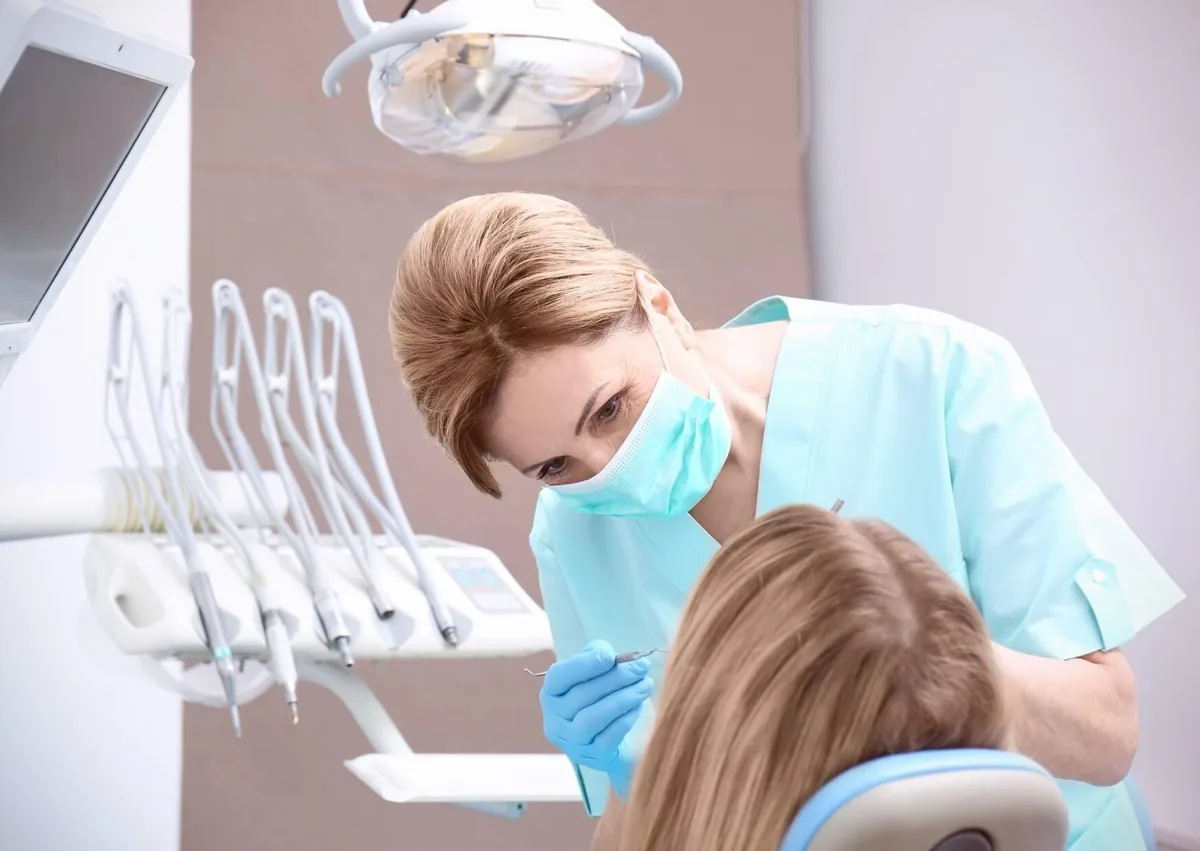
An evaluation can show whether a gap is simply cosmetic or a sign of a bite issue, missing tooth, gum problem, or eruption concern. The visit may include gum measurements, a bite check, photos, digital scans, and dental X-rays when appropriate.
Children with a front gap do not always need immediate treatment. Spaces may change as permanent teeth erupt. A dentist or orthodontist can tell you whether monitoring is reasonable or whether the spacing suggests a missing tooth, eruption problem, or harmful habit.
Seek prompt dental care for a rapidly widening gap, loose or displaced teeth, pus, facial swelling, fever, significant bleeding, or severe pain. Facial swelling that affects breathing or swallowing is a medical emergency.
Closing an appropriate gap may improve smile confidence, make some areas easier to clean, replace a missing tooth, or support a more balanced bite. A dental or orthodontic evaluation is the safest way to compare expected results, limits, maintenance needs, and costs before choosing treatment.
To compare expected outcomes and costs for closing your gap, request a personalized exam and treatment plan. Call Bryant Orthodontics to discuss treatment plans and adult orthodontics in Windsor Mill, MD and nearby Woodlawn and Catonsville, or schedule an appointment at (443) 917-2128.
Some gaps in children narrow as permanent teeth erupt. A persistent adult gap usually does not close predictably without treatment, and a newly developing space should be evaluated.
Bonding can sometimes close a small gap in one appointment, but speed alone should not decide treatment. Orthodontic movement may be safer or more stable when tooth position, root alignment, or the bite also needs correction.
Bonding usually involves little discomfort, although individual needs vary. Braces and aligners commonly cause temporary pressure or tenderness as teeth begin moving.
It can, especially after orthodontic treatment or when the original cause is still active. Wearing the prescribed retainer and addressing gum disease, habits, or tissue factors can improve long-term stability.
Coverage varies by plan and by whether treatment is considered medically necessary, orthodontic, restorative, or cosmetic. Request a written treatment estimate and confirm benefits, exclusions, waiting periods, and lifetime orthodontic limits directly with the insurer. For common cost questions, see braces with insurance.