
Braces in the United States often cost $3,000 to $7,500 before insurance. If your dental plan includes orthodontic benefits, your out-of-pocket cost may fall to about $1,500 to $6,000, depending on the plan's lifetime maximum, deductible, coinsurance, age limits, treatment type, and network rules.
Crooked, crowded, or widely spaced teeth often lead people to consider braces treatment. Treatment may also be recommended for bite problems such as an overbite (fix overbite), underbite (fix underbite), crossbite, or open bite that can affect chewing, tooth wear, gum health, or jaw comfort.
If you're comparing braces costs with insurance, our treatment plans can show how your benefits, treatment length, and goals may affect the final price. Bryant Orthodontics in Windsor Mill uses that information to create a clear, step-by-step estimate so you can weigh options with more confidence.
Dental insurance usually handles orthodontic treatment differently from cleanings or fillings. Instead of resetting every year, many plans use a one-time lifetime maximum, often around $1,000 to $2,500 per covered person.
A plan may pay a percentage of the allowed fee, such as 50 percent, until that lifetime maximum is reached. If treatment costs $6,000 and the plan pays 50 percent with a $2,000 lifetime maximum, insurance may pay no more than $2,000, leaving about $4,000 before deductibles or noncovered charges.
Coverage varies widely. Some plans cover only dependent children under a certain age, while others include adults, apply a waiting period, or exclude treatment that started before enrollment.
Insurance payments are also often spread out over the course of treatment instead of paid in one lump sum. If your coverage changes or ends before treatment is complete, future insurance payments may stop and your remaining balance may increase.
The biggest cost factor is usually the complexity of the alignment or bite problem. Mild spacing may take less time than severe crowding, an impacted tooth, or a more significant bite issue.
Other factors that can affect your final cost include:
An in-network orthodontist usually accepts the plan's negotiated fee, which may lower your total cost. An out-of-network office may still file insurance, but the plan may base payment on a lower allowed amount, leaving you responsible for more.
Crowding happens when there is not enough room in the dental arch. Spacing can happen because of small teeth, missing teeth, or a mismatch between tooth size and jaw size.
Bite problems may be related to jaw growth, genetics, early tooth loss, oral habits, or the way permanent teeth erupt. These issues can affect how the teeth fit together and may contribute to uneven wear, chewing difficulty, or gum strain.
Orthodontic treatment works by applying steady pressure that moves teeth through supporting bone. That process depends on bone remodeling, which is one reason treatment takes months rather than days.
Not every cosmetic concern needs treatment, and braces cannot correct every jaw imbalance by moving teeth alone. An orthodontic evaluation helps determine whether the issue is mainly tooth position, jaw structure, or both, and many patients also ask whether braces will change face shape.
Traditional metal braces are durable and can treat a wide range of alignment and bite problems. They are more visible and require careful cleaning around brackets and wires, but they do not rely on the patient remembering to wear them.
Ceramic braces work in a similar way but use tooth-colored or clear brackets. They may be less noticeable, though they can cost more and may be more likely to stain or break in some cases.
Clear aligners are removable trays that can work well for many mild to moderate issues and some complex cases. They usually need to be worn about 20 to 22 hours per day, and some insurance plans cover them differently from braces.
Lingual braces attach behind the teeth and are less visible from the front. They are not right for every bite, can affect speech or tongue comfort at first, and often cost more because they are highly customized.
Most comprehensive orthodontic treatment lasts about 12 to 30 months. Timing depends on age, case complexity, tooth movement, missed visits, broken appliances, and aligner wear.
Some soreness is common for a few days after braces are placed or adjusted and after changing aligner trays. Call the dental or orthodontic office if you have a loose bracket, broken wire, major swelling, severe or worsening pain, facial trauma, or signs of infection.
Braces require careful brushing around the gumline, brackets, and wires, plus cleaning between teeth with floss threaders or other recommended tools. Hard, sticky, and chewy foods can damage appliances, so it helps to review guidance on eating candy with braces.
Poor plaque control can lead to cavities, swollen gums, or permanent white spots on enamel. Routine dental checkups and cleanings are still necessary during orthodontic care.
Ask the orthodontic office for a written estimate that separates the total fee, insurance estimate, down payment, monthly amount, and possible extra charges. It also helps to confirm whether records, emergency visits, retainers, and follow-up care are included.
You can also ask whether the office prepares personalized treatment plans that account for your insurance details. That makes it easier to compare options and understand what may change your final balance.
Then verify benefits directly with your insurer using the proposed treatment information. Helpful questions include:
Insurance verification is an estimate, not a guarantee of payment. A final claim may be processed differently if eligibility changes, the plan excludes a service, or part of the lifetime maximum has already been used.
Health savings accounts and flexible spending accounts may help with eligible orthodontic expenses using pretax funds. Many offices also offer payment plans, but it is smart to review the deposit, financing terms, late fees, and refund or transfer policies before starting treatment.
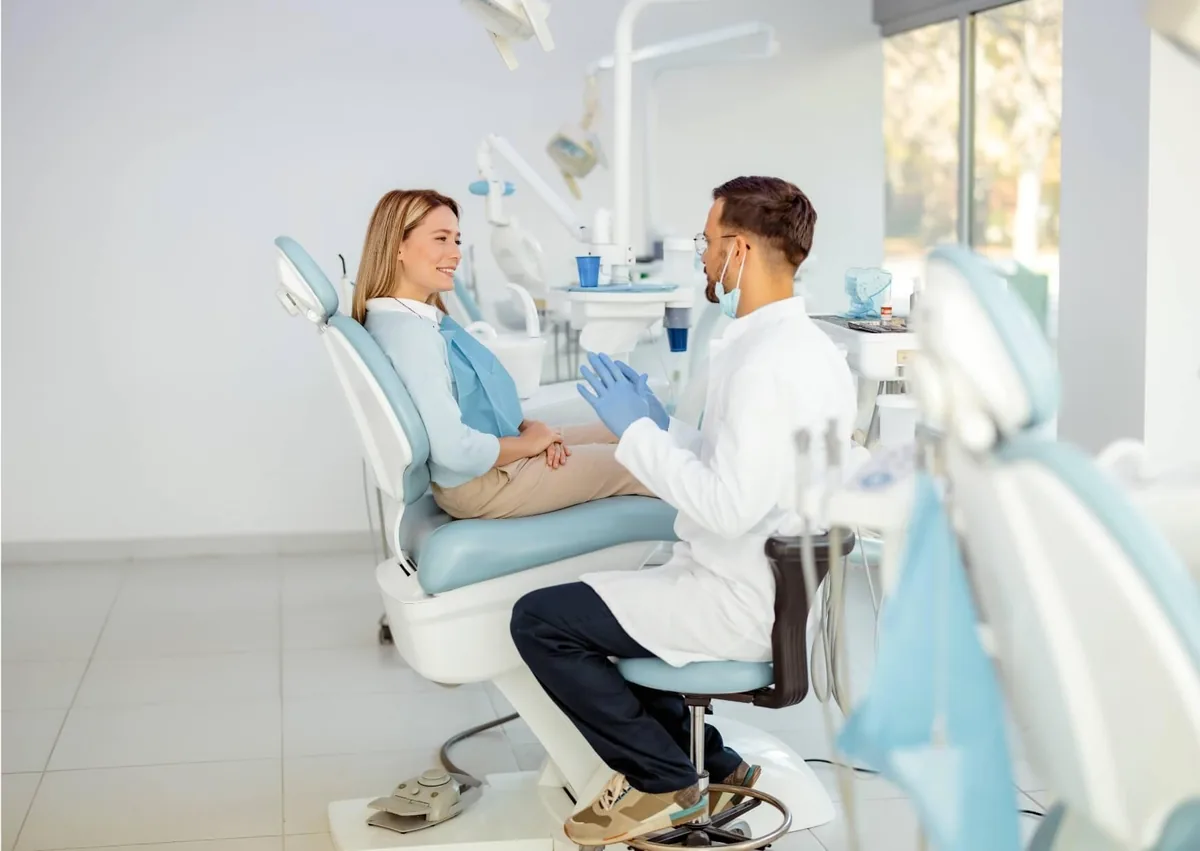
Straighter teeth can be easier to clean and may reduce abnormal wear or functional strain when a bite problem is present. After treatment, retainers are important because teeth can shift throughout life.
Children should generally have a children's orthodontics screening by age 7, according to the American Association of Orthodontists, though that does not mean braces start at that age. Adults can be evaluated at any time, and many people explore options for adult braces.
Cavities, gum disease, and other oral health concerns may need to be treated before or during orthodontic care. An evaluation is worth considering if crowding, spacing, a changing bite, difficulty chewing, repeated cheek biting, or tooth wear is becoming a concern.
A clinical exam and appropriate imaging are needed to identify the right treatment options and produce a more reliable cost estimate based on both clinical needs and insurance benefits.
To get a precise, insurance-aware cost estimate and a personalized timeline, request a treatment plan review before committing to care.
Bryant Orthodontics offers treatment plans at our Windsor Mill office and serves patients from Owings Mills and Ellicott City; call (443) 917-2128 or schedule online to get started.
No. Most plans with orthodontic benefits pay only part of the treatment cost and set a lifetime maximum, so the patient still pays the remaining balance.
They can be. Some plans cover dependent children but not adults, or they offer better benefits below a certain age, though treatment complexity still affects the final cost.
Usually not for routine orthodontic treatment. Limited medical coverage may apply when braces are medically necessary because of trauma, surgery, a congenital condition, or another covered diagnosis, but prior authorization and documentation are often required.
Yes, but it can affect what insurance pays. A new plan may not cover treatment already in progress, and the old plan may stop future payments when coverage ends.
Sometimes, but not always. Ask how many retainers are included, how long follow-up lasts, and what replacement retainers would cost.