
If your teeth have started to shift after braces or clear aligners, or your old retainer is lost or cracked, the first question is usually cost. In the United States, a replacement removable retainer often costs about $100 to $500 per arch, while a fixed retainer may cost about $250 to $600 per arch.
Your actual fee depends on the retainer type, whether your teeth have moved, whether new scans or impressions are needed, and whether retention was included in the original orthodontic fee.
If you're weighing whether a replacement retainer, an adjustment, or additional orthodontic treatment is the right next step, a personalized treatment plan clarifies what your teeth need and why. At Bryant Orthodontics in Windsor Mill, a treatment plan gives a clear exam-based recommendation, expected costs, and practical follow-up so you can choose the most reliable retention option.
The cost of a retainer depends first on the type of appliance. Orthodontists generally use clear removable retainers, acrylic-and-wire retainers, or fixed wires bonded behind the teeth.
The best option depends on tooth position, bite stability, hygiene needs, and how likely the teeth are to relapse. Some offices charge per arch, while others quote one fee for both upper and lower retainers.
|
Retainer Type |
Typical U.S. Cost |
Main Tradeoffs |
|---|---|---|
|
Clear removable retainer |
$100 to $500 per arch |
Discreet and easy to remove, but may crack, warp, or get lost |
|
Acrylic-and-wire retainer |
$150 to $500 per arch |
Durable and adjustable, but more visible and may affect speech briefly |
|
Fixed bonded retainer |
$250 to $600 per arch |
Always working, but needs careful cleaning and periodic checks |
These are general price ranges, not guaranteed fees. The final cost may also include the exam, digital scan, fitting, and follow-up.
Clear retainers fit closely over the teeth and look similar to aligners. They are usually comfortable and subtle, but they can warp in heat and wear down faster in people who clench or grind.
Often called Hawley retainers, these use an acrylic base with a wire across the front teeth. They are more visible, but they can be durable and may allow limited adjustment in some cases.
A fixed retainer is a thin wire attached behind certain teeth, often the lower front teeth. It works all the time, but it requires careful brushing and flossing because plaque and tartar can collect around the wire.
The appliance itself is only part of the fee. The total cost may also reflect the exam, digital scans or impressions, lab work, fitting, and any needed adjustments.
Other common cost factors include:
If your teeth have moved, a new retainer may not fit safely. Small changes can sometimes be managed conservatively, but more noticeable relapse may require limited clear aligners or braces before retention can work again.
Insurance coverage varies widely. Some orthodontic plans include the first set of retainers after active treatment, such as with certain braces treatment agreements, while many plans do not cover replacement retainers.
Even when orthodontic benefits exist, they may be limited by a lifetime maximum. It is smart to ask the office for a written estimate and then confirm coverage directly with your insurer.
Health savings account and flexible spending account funds may also be usable for retainers, depending on current plan rules. That can help reduce out-of-pocket costs even when insurance does not pay.
Retainers matter because teeth can keep moving throughout life. Research shows that relapse can occur after orthodontic treatment, especially when retention is inconsistent and the supporting tissues are still adapting.
That is why replacing a lost or broken retainer quickly is often less expensive than correcting larger relapses later. A retainer maintains alignment, but it does not reliably fix significant crowding or bite changes once they return.
Do not force a retainer that no longer seats fully. If it feels very tight, only goes on partway, or causes pain, the teeth may have shifted enough that you need an exam first.
If crowding, spacing, or bite changes have returned, an orthodontic evaluation can show whether a new retainer is enough or whether you may need braces again.
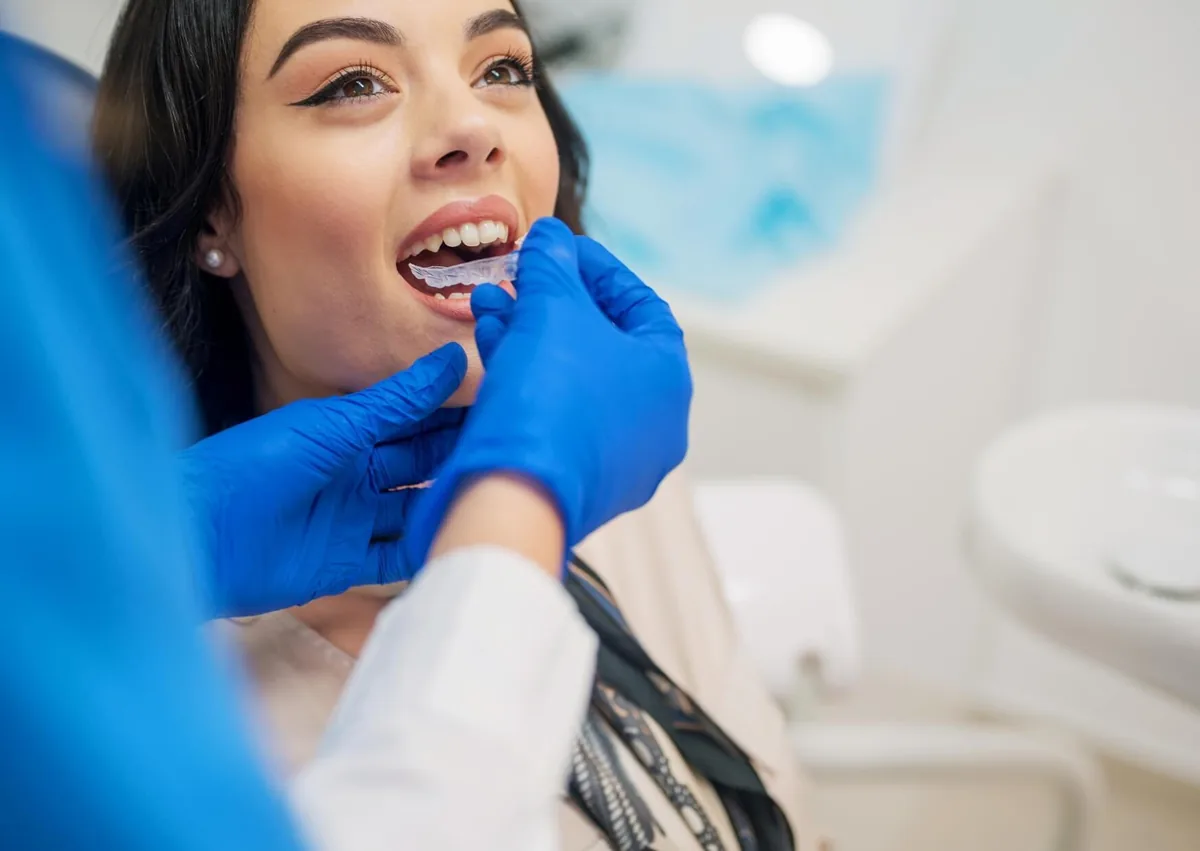
A new retainer often feels snug at first. You may also notice extra saliva or mild speech changes for a few days, especially with a removable appliance.
Those effects usually improve quickly. Sharp edges, gum irritation, significant pain, or a retainer that will not seat should be checked rather than ignored.
Wear schedules vary by patient and by retainer type. Many people start with full-time wear after active treatment and later move to nighttime wear, but your orthodontist may recommend a different plan based on your relapse risk.
Long-term wear is common because teeth do not become permanently “locked” in place. Even years after treatment, age-related movement can still happen.
Good retainer care can help you avoid paying for replacements sooner than expected. Clear retainers should be cleaned with cool or lukewarm water and the method your orthodontic office recommends.
Hot water, dishwashers, and hot cars can warp plastic. Abrasive toothpaste can also scratch clear material and make it wear faster.
When the retainer is out of your mouth, keep it in its case. Wrapping it in a napkin or leaving it where pets can reach it are common reasons people need a replacement.
If you have a fixed retainer, brush and floss around it carefully. If the wire loosens, bends, traps debris, or seems to be moving a tooth, schedule an exam.
Schedule an evaluation if your retainer is lost, cracked, warped, uncomfortable, or no longer fits. You should also be seen if you notice new crowding, spaces, bite changes, bleeding gums, or trouble cleaning around a fixed wire.
Prompt care matters because a replacement is easiest when the teeth are still close to their intended position. Waiting too long can turn a simple retainer visit into a need for additional treatment.
Seek urgent dental or medical care for severe pain, facial swelling, pus, fever, trauma, or a wire cutting the mouth. Breathing or swallowing problems require immediate medical attention.
A clinician can check tooth stability, gum health, bite contacts, and the condition of the appliance before recommending the next step. That helps you compare the real value of each option, not just the sticker price.
For a definitive recommendation and an accurate cost estimate, book a treatment plan consultation so a clinician can examine your teeth, evaluate retention needs, and explain replacement options.
Contact Bryant Orthodontics for treatment plans in Windsor Mill, near Woodlawn and Catonsville, at (443) 917-2128 to schedule an appointment or ask about same-day availability.
A replacement removable retainer commonly costs about $100 to $500 per arch, although fees vary. New scans, tooth movement, materials, and office policies can all affect the final price.
Sometimes. Some orthodontic treatment fees include an initial set and limited follow-up, while others list retainers separately, so review your treatment agreement or ask the treating office. If your prior care used Invisalign, check whether the provider included retention in the treatment plan.
There is no universal replacement schedule. Clear retainers may need replacement when they crack, warp, loosen, or wear through, while acrylic-and-wire and fixed retainers may last for years with proper care and monitoring.
A slightly snug retainer may reflect minor movement, but it should not be forced onto the teeth. If it does not fit fully, an orthodontist or dentist should determine whether replacement, adjustment, or active treatment is the safer option.
They may have a lower advertised price, but they may not include an in-person evaluation of the teeth, gums, bite, or existing dental work. That matters most when teeth have shifted, the retainer is painful, or there are other oral health concerns.