
Fixing an overbite depends on whether the problem is caused by tooth position, jaw position, or both. Braces or clear aligners can often correct dental overbites, growth-guiding appliances may help some children and teens, and severe skeletal cases may need orthodontics combined with jaw surgery.
An orthodontic evaluation is the safest way to choose a treatment that can improve bite function and hold up well over time.
If you’re weighing treatment options on how to fix an overbite and want a personalized roadmap that balances function and appearance, our treatment plans can clarify the best approach for your bite. Bryant Orthodontics in Windsor Mill, MD, can outline realistic goals, timelines, and what to expect during care.
An overbite is the vertical overlap of the upper front teeth over the lower front teeth when you close your mouth. Some overlap is normal, but a deep overbite can cause the lower teeth to hit the palate or gum tissue, wear down the front teeth, or affect comfort and appearance.
An overbite is different from an overjet. Overjet describes upper front teeth that stick out too far horizontally, and the two problems can happen together.
Signs of a more significant overbite can include worn or chipped front teeth, irritated tissue behind the upper teeth, trouble biting certain foods, or lower teeth that are hard to see when biting down.
These signs do not confirm a diagnosis on their own because tooth shape, jaw position, missing teeth, and gum health can all affect how the bite looks.
Braces can correct many mild to severe dental overbites by moving the front and back teeth into better positions. An orthodontist may use wires, elastics, bite ramps, or other features to control the movement and improve how the teeth fit together. See whether braces fix overbite for more detail on how braces address this problem.
Clear aligners can also treat many mild to moderate overbites and some more complex cases. They often use attachments or elastics, and success depends heavily on wearing them for the recommended number of hours each day.
If you're an adult comparing options, read more about adult braces.
Some treatment plans also need space to move teeth safely and predictably. Depending on the case, that may involve arch development, small amounts of enamel reshaping between selected teeth, moving back teeth, or extractions when crowding or protrusion cannot be managed in another reliable way.
|
Treatment |
Often Considered For |
Main Tradeoff |
|---|---|---|
|
Braces |
A broad range of dental overbites, including complex movement |
Visible hardware and extra cleaning needs |
|
Clear aligners |
Selected mild, moderate, and complex cases |
Requires consistent wear and removal for meals |
|
Growth-guiding appliance |
Certain jaw-growth patterns in children or teens |
Timing and regular use are critical |
|
Orthodontics plus jaw surgery |
Severe skeletal overbite after growth |
Greater cost, recovery, and treatment complexity |
Some overbites are mainly dental, which means tooth position creates the excessive overlap. Others are skeletal, which means the size, shape, or position of the jaws plays a major role.
For a growing child or teen, an orthodontist may recommend an appliance as part of children's orthodontics to guide jaw growth or influence how teeth erupt. The American Association of Orthodontists recommends an initial orthodontic check by age 7 because early evaluation can identify developing bite problems while more treatment options may still be available.
Growth guidance has limits, though. It cannot create unlimited jaw growth or guarantee that surgery will never be needed later.
Adults with a larger skeletal mismatch may sometimes improve the bite through orthodontic camouflage, which moves teeth to reduce the visible and functional effects of the jaw difference. Correcting the underlying jaw relationship may require surgical orthodontics, coordinated between an orthodontist and an oral and maxillofacial surgeon.
Treatment time depends on the severity of the overbite, the type of tooth movement needed, age, oral health, and how closely instructions are followed. Limited cases may take only a few months, while comprehensive orthodontic treatment often takes one to three years.
Treatment that includes surgery usually takes longer because orthodontics is commonly needed before and after the procedure. Patients considering specific brace systems can also review Damon braces duration for a related timeline question.
Teeth often feel tender for several days after braces are placed, wires are adjusted, or a new set of aligners is started. Soft foods, orthodontic wax, and other steps recommended by the dental team usually help.
Severe or persistent pain is not typical. Contact the treating office promptly if a wire or appliance is cutting tissue, if swelling develops, if there are signs of infection, or if a tooth becomes unusually painful or discolored.
Seek urgent medical care for rapidly spreading facial swelling, fever with swelling, trouble breathing or swallowing, uncontrolled bleeding, or major facial trauma.
Most patients adjust to braces or aligners within the first several days after starting treatment or after an adjustment. Mild soreness, pressure, and temporary changes in speech or chewing are common early on.
Braces require careful brushing and flossing around brackets and wires. Aligners must be removed for meals and cleaned regularly, and they only work well when worn as directed.
Appointments are also part of maintenance. Regular visits help the orthodontist track progress, make adjustments, and catch problems before they delay treatment.
Teeth naturally tend to shift after orthodontic treatment, so retainers are a routine part of keeping the result. A removable or bonded retainer may be recommended, and the wear schedule should be followed unless the orthodontic team changes it.
Regular dental checkups and good brushing and flossing still matter during and after treatment. Gum disease, cavities, tooth loss, clenching, and inconsistent retainer use can all affect long-term stability.
Correcting a clinically significant overbite may reduce abnormal tooth wear, protect irritated gum or palate tissue, and improve biting efficiency. It can also make the smile look more balanced, although the cosmetic result depends on the teeth, lips, facial structure, and treatment approach. If facial appearance is one of your concerns, many patients ask whether braces change face shape.
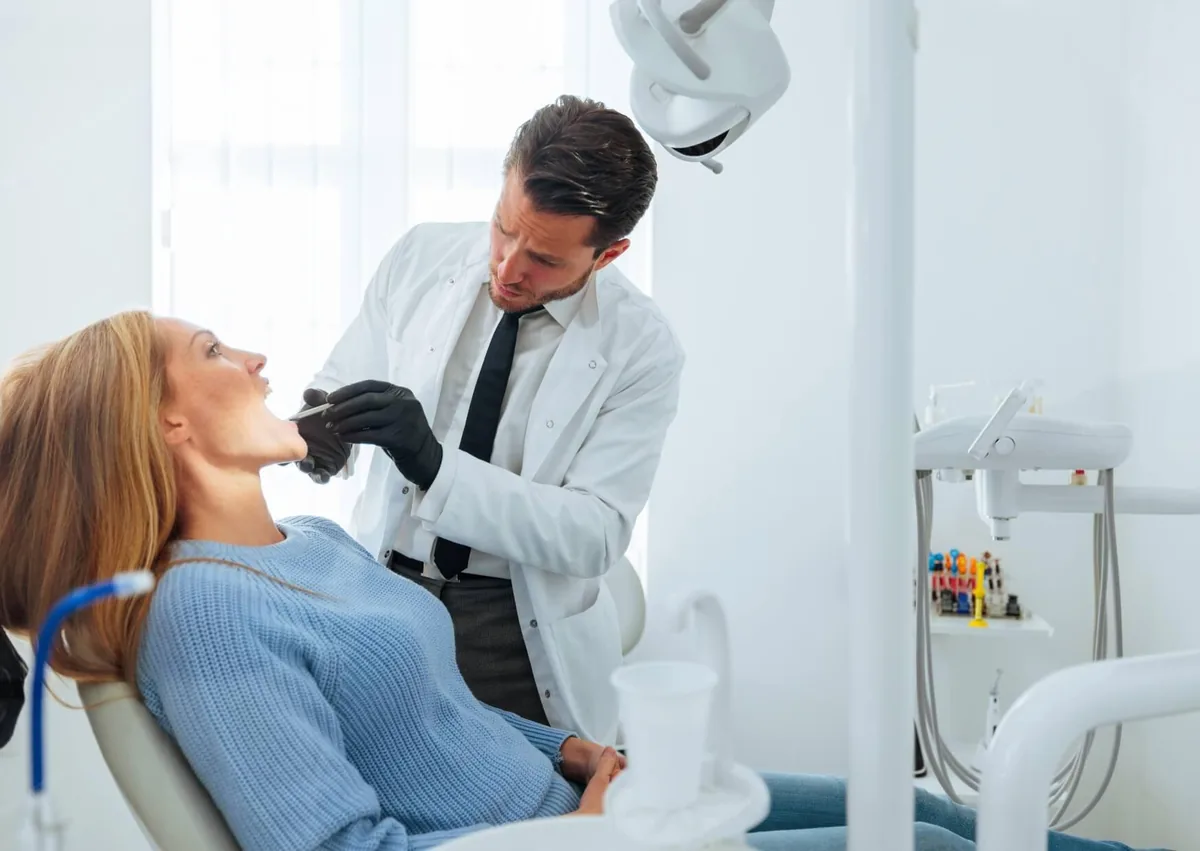
Schedule an evaluation if the lower teeth contact the palate, teeth are wearing or chipping, the bite feels less comfortable, or the overlap affects function or appearance.
Children should receive an orthodontic screening by age 7, according to the American Association of Orthodontists, even though that does not mean treatment must start right away.
An orthodontist typically examines the teeth and jaws and may use photos, digital scans, X-rays, and bite records to tell whether the overbite is mainly dental or skeletal.
The consultation should explain the recommended approach, review treatment plans, discuss alternatives, estimate treatment length, and outline retention needs, likely limits, and total fees before care begins.
Early evaluation can preserve more treatment options, but adults can still achieve meaningful improvement. A personalized assessment helps you compare benefits, inconvenience, cost, and long-term stability without assuming every visible overbite needs the same solution.
To determine whether braces, clear aligners, growth-guiding appliances, or surgical orthodontics are right for you, request a personalized treatment plan and review of options. Bryant Orthodontics offers treatment plans in Windsor Mill near Woodlawn and Catonsville; call (443) 917-2128 or book an appointment online today.
A significant overbite usually does not correct itself after the permanent teeth and jaws have developed. A child's bite can change during growth, but waiting without professional monitoring may allow wear, tissue injury, or a jaw discrepancy to become harder to address.
Exercises alone cannot reliably move teeth or reposition jaw bones enough to correct a structural overbite. Therapy may support treatment when tongue posture, swallowing, or other muscle habits contribute, but it should be recommended as part of an appropriate dental or medical evaluation.
No. A small, healthy overlap may not require correction if the teeth function well and there is no damaging contact, excessive wear, tissue injury, or important cosmetic concern.
Yes, some relapse is possible because teeth continue to respond to biting forces and age-related changes. Wearing retainers as directed and replacing a damaged or ill-fitting retainer promptly can help preserve the correction.
Coverage varies by plan, age, treatment type, and whether the insurer considers care medically necessary. Patients should request a written estimate and confirm deductibles, lifetime orthodontic limits, waiting periods, and exclusions directly with the insurer.