Orthodontic relapse means teeth have shifted after braces or clear aligner treatment. Minor movement may only need a new retainer, while more noticeable crowding or bite changes may need limited or comprehensive orthodontic correction. Tailored treatment plans help show whether retention, limited retreatment, or full correction makes the most sense.
If you're noticing shifting after braces or a retainer that no longer fits, a personalized treatment plan can clarify whether retention, limited retreatment, or comprehensive correction is best. Bryant Orthodontics in Windsor Mill, MD, creates clear options tailored to your goals so you understand the most practical path forward.
Orthodontic relapse often shows up as lower front tooth crowding, small gaps, a rotated tooth, or a bite that feels different. A retainer that feels tight or no longer fits can be one of the earliest signs.
The change is not always only cosmetic. Shifting can make some areas harder to clean, create uneven tooth contact, or contribute to biting discomfort.
Not every tooth movement after treatment is true relapse. Aging, gum disease, missing teeth, grinding, and bone changes can also affect tooth position, so the cause should be checked rather than assumed.
Braces and aligners move teeth through bone while the surrounding ligaments and tissues adapt. After treatment ends, those tissues need time to stabilize, and some teeth still tend to drift toward earlier positions.
Relapse is more likely when retainers are not worn as directed, become damaged, or stop fitting well. Growth, aging, tongue pressure, clenching, tooth loss, and unstable bite contacts can also play a role.
A bonded retainer can help limit movement in the teeth it connects. It still does not prevent every type of relapse, and a loose or distorted wire may allow gradual shifting.
Treatment depends on how much the teeth have moved, how the bite fits together, overall oral health, and the result the patient wants. A new retainer can maintain the current position, but it usually will not correct meaningful relapse.
|
Option |
Often Considered For |
Main Tradeoffs |
|---|---|---|
|
Replacement or adjusted retainer |
Very minor movement or maintaining the current position |
May not restore previous alignment |
|
Limited clear aligner treatment |
Mild to moderate movement affecting selected teeth |
Requires consistent wear and may not correct every bite issue |
|
Limited braces |
Localized crowding, spacing, or rotations |
More visible and harder to clean around |
|
Comprehensive braces treatment or aligners |
Broader relapse or meaningful bite changes |
Longer treatment and higher cost than limited correction |
|
Restorative or periodontal care |
Shifting related to missing teeth, tooth damage, or gum disease |
Underlying disease may need treatment before orthodontic movement |
Clear aligners are less noticeable and removable, but they usually need to be worn most of the day for predictable results. Braces treatment does not depend on remembering to insert trays, though brackets can irritate the cheeks at first and require careful brushing and flossing. For a broader comparison, see clear vs. metal braces.
If relapse changes how the upper and lower teeth meet, bite correction may be part of treatment. For example, some patients may need care to fix overbite, and others with broader changes may need braces again.
If an old retainer does not fully seat, do not force it into place or bite down on it. Too much pressure can injure teeth or gums, and an orthodontic exam can show whether adjustment, replacement, or active treatment is the safer option.
Mild pressure or tenderness is common for a few days after an adjustment or a new aligner. Pain that is sharp, worsening, or paired with swelling, persistent gum bleeding, or unusual tooth looseness should be checked promptly.
Treatment time can range from a few months for limited movement to a year or longer for more complex relapse. Timing depends on more than visible crowding because root movement, bone support, bite correction, and safe force levels all matter.
Adults can often have retreatment successfully. Patients considering adult orthodontics can also review general information on whether adults get braces.
Gum and bone health are especially important in adult retreatment. Active gum disease, untreated decay, or root shortening may change the plan or require coordination with another dental professional.
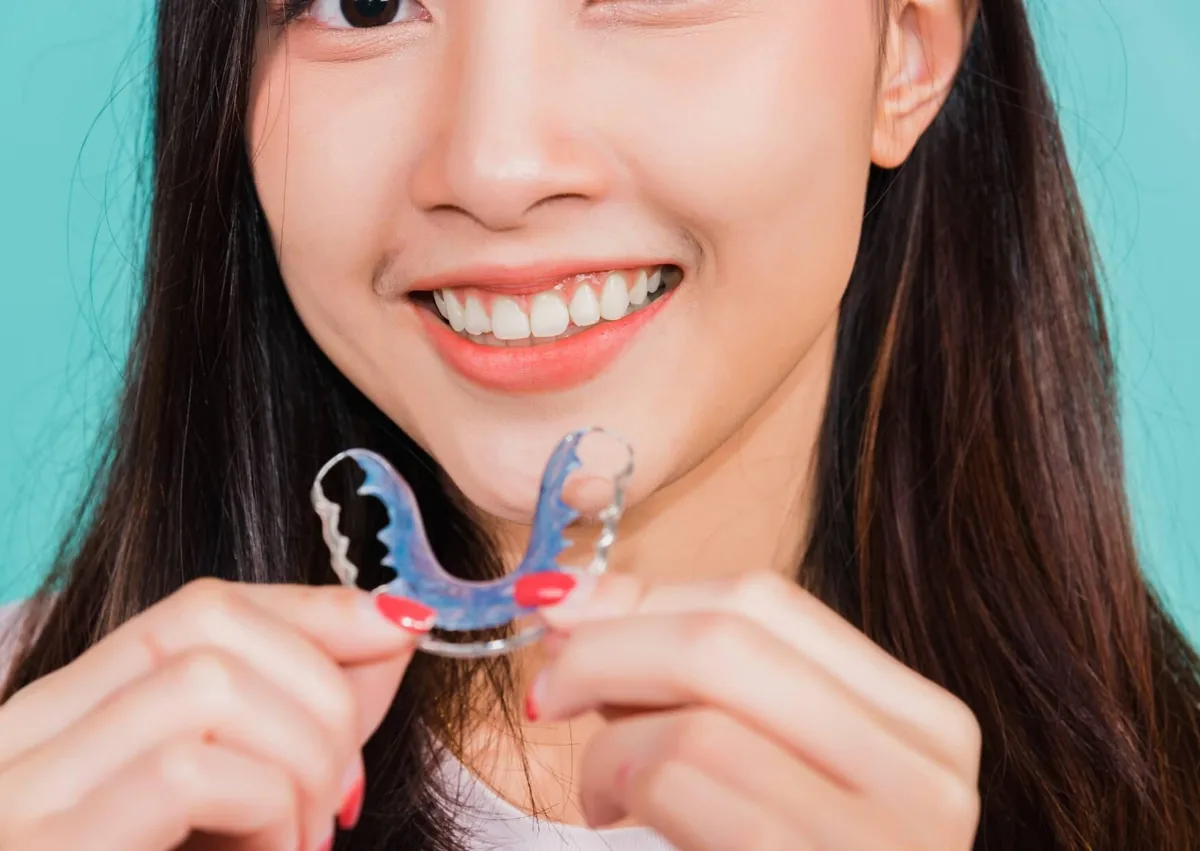
Retention is usually a long-term part of care because teeth can keep shifting throughout life. Many patients eventually wear a removable retainer at night, while others use a bonded retainer, a removable retainer, or both.
Removable retainers should be cleaned as directed, stored in a case, and kept away from heat. Bonded retainers need careful cleaning around the wire and periodic checks for loose bonding, plaque buildup, or subtle movement.
Bring retainers to dental and orthodontic visits so fit and condition can be reviewed. If a retainer cracks, feels loose, becomes tight, or stops seating fully, contact the office before more shifting occurs.
Correcting orthodontic relapse may improve smile appearance, make crowded areas easier to clean, and restore more balanced tooth contact. Retreatment decisions should be based on oral health and function as well as cosmetic goals.
When comparing options, it also helps to consider treatment length and adult braces cost. An evaluation can show whether a simpler option is still possible or whether more complete correction is needed.
Schedule an orthodontic evaluation if teeth are visibly moving, your bite feels different, or a retainer no longer fits comfortably. Seek prompt dental care for sudden movement, facial swelling, trauma, pus, fever, or a tooth that feels unusually loose, since those signs may point to something other than routine relapse.
Even long-standing changes can often be evaluated for safe correction. A dentist or orthodontist can examine the teeth, gums, bite, and retainers and explain whether monitoring, retention, or active treatment is the best next step.
The next step is an orthodontic evaluation to review retainers, bite, and possible retreatment so you can choose the least invasive, effective option. Call Bryant Orthodontics for treatment plans in Windsor Mill and nearby Woodlawn or Catonsville at (443) 917-2128 to schedule an appointment.
Yes. Teeth can shift months, years, or even decades after treatment because the tissues around them continue to change over time. Retainer use helps limit movement, but it cannot guarantee that no change will ever happen.
A slightly tight retainer may sometimes guide very minor recent movement. If it does not seat fully, causes significant pain, or has to be forced, stop using it and arrange an evaluation.
No. Some cases only need monitoring or a replacement retainer, while others can be treated with limited aligners or braces. More extensive bite changes may require comprehensive retreatment.
There is no single replacement schedule. A retainer should be replaced when it is cracked, distorted, excessively worn, difficult to keep clean, or no longer fits properly.