
Underbite correction may involve braces, clear aligners, growth-guidance appliances, or jaw surgery, depending on whether the problem comes from tooth position, jaw growth, or both. An orthodontic evaluation helps identify the cause, compare realistic options, and decide whether treatment should start now or be monitored.
A personalized treatment plan assessment can clarify whether monitoring, early intervention, or active correction is the best approach for an underbite. Bryant Orthodontics in Windsor Mill, MD provides a calm review that explains likely options, timing, and expected results to help you make a confident choice.
An underbite happens when the lower front teeth sit in front of the upper front teeth when the mouth closes. Orthodontists often describe this as a Class III bite, and it can range from mild to more noticeable.
Some underbites are mainly dental, which means tooth position creates the reverse overlap. Others are skeletal, which means the lower jaw is more prominent, the upper jaw is smaller or set back, or both jaws contribute.
Genetics often play a role, so underbites are often hereditary. Missing teeth, unusual eruption patterns, oral habits, and differences in facial growth can also affect how the bite develops.
An underbite may change facial appearance without causing immediate discomfort. In other cases, it can lead to uneven tooth wear, trouble biting certain foods, speech concerns, gum stress, or jaw fatigue.
Planning starts with an exam of the teeth, gums, bite, jaw movement, and facial proportions. Photos, digital scans or impressions, and X-rays may be used to show whether the problem involves the teeth, the jaws, or both.
The cause matters more than appearance alone. Tooth movement can correct many dental underbites, but it cannot fully fix a major adult jaw discrepancy.
Age also affects the plan. A child who is still growing may benefit from treatment that guides jaw development through children's orthodontics, while an adult with a skeletal underbite may need camouflage treatment or combined orthodontic and surgical care.
No single treatment works for every underbite. The best option depends on the cause, severity, age, and treatment goals.
|
Treatment Option |
Often Considered For |
Main Tradeoffs |
|---|---|---|
|
Growth-guidance appliances |
Growing children with certain jaw patterns |
Timing and regular wear matter; results depend partly on growth |
|
Braces |
Dental underbites and precise tooth movement |
Visible hardware, food restrictions, and careful cleaning are required |
|
Clear aligners |
Selected mild to moderate dental cases |
Consistent wear is essential; not every jaw-related case is suitable |
|
Tooth removal in selected cases |
Crowding or orthodontic camouflage |
Can improve tooth position but does not correct the underlying adult jaw relationship |
|
Jaw surgery with orthodontics |
Severe skeletal underbites after growth is complete |
Allows larger skeletal changes but adds surgery, recovery, cost, and treatment time |
Early treatment may be recommended when a reverse bite affects tooth eruption, causes gum recession, shifts the jaw to one side, or appears to be worsening with growth. Depending on the pattern, an orthodontist may use expansion, braces, or a fixed or removable appliance; in some cases, an external protraction device may help encourage the upper jaw forward.
Some families also ask about expansion in older patients, which is covered in this article on palate expander for adults. Early care does not always remove the need for later braces, but it may reduce dental damage and support better function while a child is still growing.
A common patient question is whether braces change face shape. Braces offer precise control of tooth movement and can treat underbites of varying complexity, often with elastics to improve how the upper and lower teeth fit together.
Clear aligners may work for selected tooth-based underbites and are less noticeable than braces. They must be worn most of the day, removed for eating and cleaning, and changed on schedule.
Many adults pursue these options through adult orthodontics programs that focus on straighter teeth and better bite alignment. If cost is part of the decision, see adult braces cost.
In adults with a moderate skeletal difference, orthodontic camouflage may reposition or tilt teeth to improve the bite. This can avoid surgery in selected cases, but it does not create the same skeletal or facial change as moving the jaws.
For a severe skeletal underbite, treatment may combine braces or aligners with surgical orthodontics when orthodontic treatment alone cannot correct the bite. This care is usually coordinated between an orthodontist and an oral and maxillofacial surgeon after facial growth is complete.
Treatment time depends on the cause, severity, growth stage, appliance, and patient cooperation. Limited early treatment may take several months, while comprehensive orthodontic care often takes longer, and surgery-based plans usually involve multiple phases.
Braces, aligners, and appliances commonly cause temporary pressure or tenderness after placement or adjustment. Surgery has a separate recovery period that may include swelling, diet changes, follow-up visits, and a gradual return to normal function.
Severe pain, rapidly increasing swelling, fever, uncontrolled bleeding, trouble breathing or swallowing, or signs of infection need prompt professional attention. Broken appliances, sores that do not improve, or a sudden bite change should also be reported to the treating office.
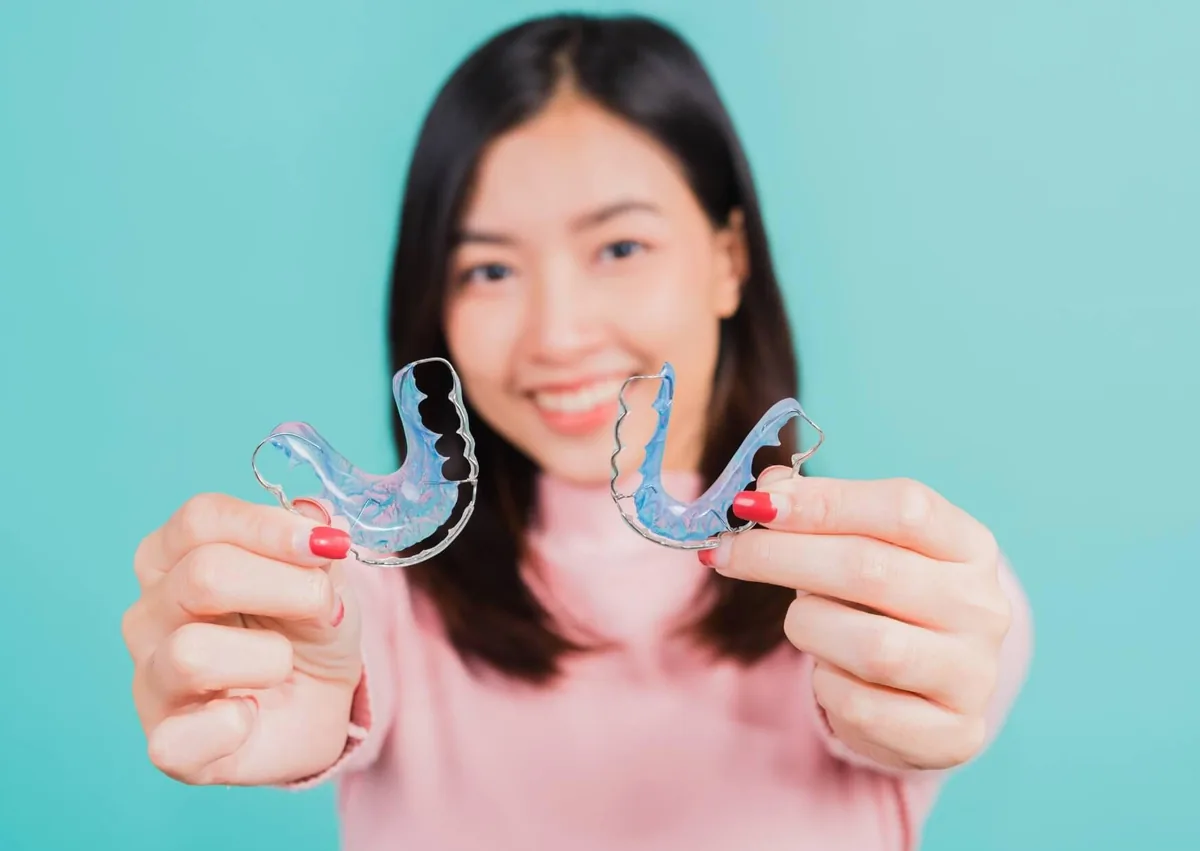
Teeth can shift after active treatment, so retainers are usually part of long-term maintenance. The type of retainer and wear schedule depend on the final tooth positions, growth pattern, and treatment used.
Good brushing, interdental cleaning, and routine dental visits help protect teeth and gums during treatment. Patients with braces may need to avoid hard or sticky foods, while aligner users should brush before putting trays back in.
Long-term follow-up is especially important for growing patients because jaw relationships can change as development continues. Some relapse is possible over time, and a few patients may need braces again or other retreatment.
Consider an evaluation if the lower teeth consistently sit ahead of the upper teeth, the jaw shifts when closing, chewing or speech feels difficult, or teeth show chipping or uneven wear. Children should be assessed promptly when a reverse bite is visible because some treatment options are most effective during growth.
An orthodontist can explain whether observation, early treatment, tooth movement, or a surgical consultation makes the most sense and provide individualized treatment plans. Getting evaluated before pain or damage develops often gives you more time to compare options and understand likely results.
If you're ready to review options and get a clear, personalized plan for underbite correction, a brief treatment consultation can outline likely steps and timing. Contact Bryant Orthodontics for treatment plans in Windsor Mill, MD, serving Woodlawn and Catonsville, call (443) 917-2128 to schedule or ask about same-day availability.
A minor bite difference in a very young child may change as teeth erupt, but a true underbite should not be assumed to resolve on its own. Jaw-related underbites can become more noticeable during growth, so professional monitoring is important.
Some adults can be treated with braces or clear aligners, especially when the underbite is mainly caused by tooth position. A larger skeletal mismatch may not be fully correctable without jaw surgery, and camouflage treatment has limits.
There is no single best age for every case. Childhood evaluation can identify growth-related opportunities, while jaw surgery, when needed, is usually planned after facial growth is complete.
It may be functionally important when the bite contributes to chewing problems, speech concerns, tooth damage, gum recession, or jaw discomfort. Coverage and medical-necessity rules vary by treatment, insurer, and documented severity.
Some relapse is possible because teeth can move and jaw growth can continue. Wearing retainers as directed and attending follow-up visits can help maintain the correction.