
An expander before braces may be recommended when the upper jaw is too narrow for a balanced bite or for teeth to line up properly. The expander creates needed width first, and braces later move individual teeth into better positions, but not every patient needs both.
If you're weighing whether an expander is needed before braces, a personalized treatment plan can clarify the best timing and approach for jaw width and tooth alignment. Bryant Orthodontics in Windsor Mill uses individualized treatment plans to map expansion, braces timing, and expected outcomes so families understand next steps.
A narrow upper jaw can lead to crowding, a crossbite, or a smile where the upper teeth sit too far inside the lower teeth. Some patients also develop a jaw shift because the teeth do not meet evenly when they bite.
Braces move teeth through the supporting bone, but they do not always fix an upper jaw that is too narrow. A palatal expander applies controlled pressure across the palate to widen the upper arch and, in growing patients, help open the growth seam in the roof of the mouth.
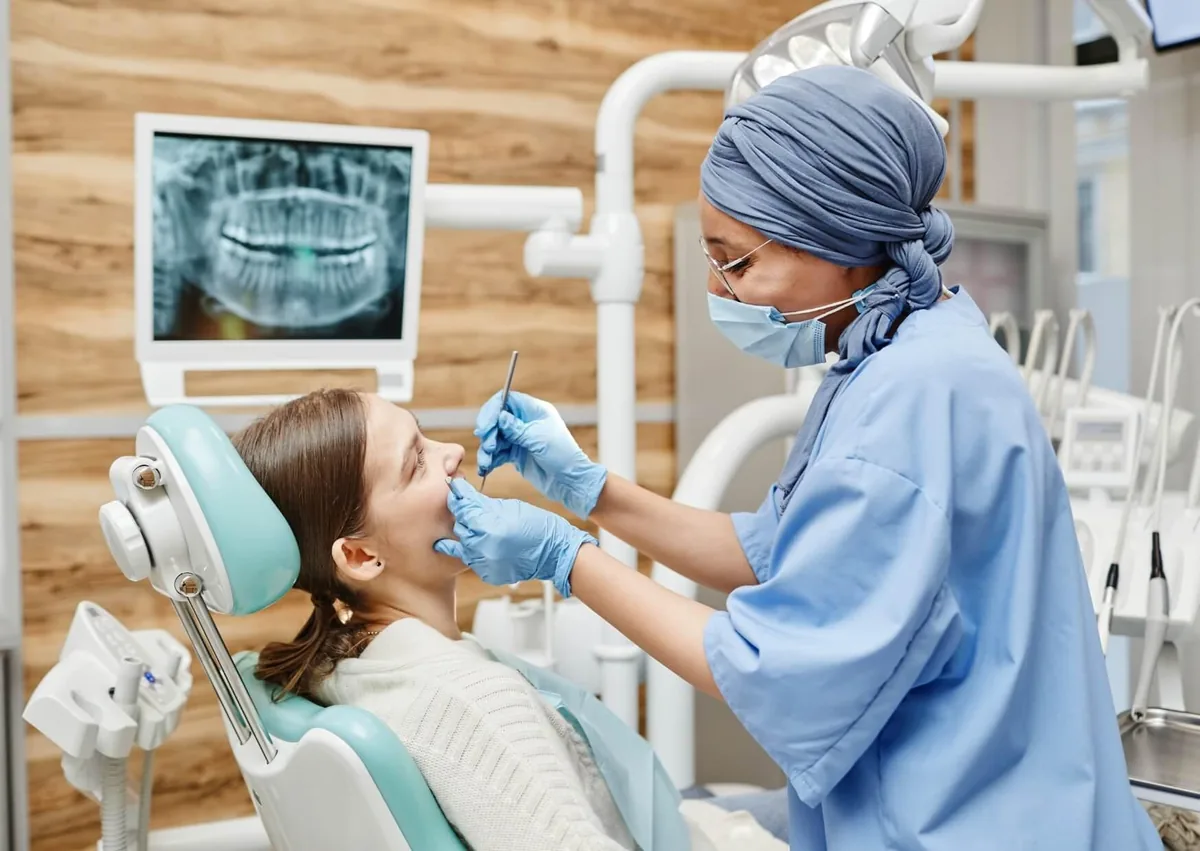
An orthodontist looks at facial growth, tooth position, bite fit, available space, and X-rays or digital scans before recommending expansion. Crowding alone does not automatically mean an expander is needed. See children's orthodontics for more about growth-based timing, and learn how braces fix overbite when bite correction is also part of treatment.
The right plan depends on whether the main issue is jaw width, tooth position, or both. Expansion is usually more predictable while the upper jaw is still growing, though selected older teens and adults may still have options.
|
Approach |
Often Considered For |
Main Tradeoff |
|---|---|---|
|
Expander followed by braces |
Narrow upper jaw, crossbite, or crowding related to limited arch width |
Adds a treatment stage and requires cleaning and activation as directed |
|
Braces or clear aligners without expansion |
Tooth-position problems when jaw width is adequate |
May not correct a true skeletal width mismatch |
|
Tooth removal with orthodontic treatment |
Significant crowding or protrusion in selected cases |
Creates space but does not widen a narrow jaw |
|
Adult skeletal expansion procedures |
A mature upper jaw with a substantial width problem |
May involve specialized appliances, temporary anchorage devices, or oral surgery |
These options are not interchangeable. Avoiding an expander when jaw width is the real problem can leave a crossbite untreated, while unnecessary expansion can move teeth beyond healthy bone support.
An expander is often placed before braces treatment so the orthodontist can create the needed width before detailed tooth alignment begins. In some cases, limited braces may be used at the same time, depending on which teeth have erupted and the treatment goals.
Some expanders are fixed to the back teeth, while others are removable. If the appliance needs activation, the orthodontic team will give a specific turning schedule, and it should not be adjusted more often than prescribed.
After active widening, the expander usually stays in place for a retention period so the bone and soft tissues can stabilize. Braces may start during or after that phase, so the total timeline depends on growth, bite severity, tooth eruption, and appliance type.
Pressure around the teeth, palate, nose, or cheeks is common after placement or activation. This usually eases as the mouth adjusts.
Temporary extra saliva, speech changes, and chewing difficulty are also common during the first several days. Most patients adapt quickly with practice and softer foods.
A gap may appear between the upper front teeth during expansion. This is often an expected sign that the upper arch is widening, and braces can later close and align that space when appropriate.
Sharp pain, increasing swelling, fever, facial trauma, trouble breathing or swallowing, or an appliance embedded in the gums needs prompt professional guidance. Contact the orthodontic office if discomfort is severe or does not improve, if the appliance becomes loose or bent, or if the bite changes in an unexpected way.
Food and plaque can collect around expander bands, screws, and the roof of the mouth. Brush carefully around every part of the appliance, clean under it with any recommended tools, and use fluoride products if prescribed.
Sticky or hard foods can loosen or damage a fixed expander. Common examples include gum, caramel, hard candy, ice, and biting directly into very firm foods unless the orthodontist says otherwise.
Keep regular checkups even if the appliance feels fine. These visits help the orthodontist monitor jaw response, gum health, tooth movement, and whether activation should continue, pause, or stop.
When it is prescribed appropriately, expansion can improve how the upper and lower teeth fit together, create room for alignment, and reduce a bite shift caused by a narrow upper arch. It can also support a more stable orthodontic result because treatment addresses jaw width instead of moving teeth alone.
Patients who are thinking about appearance changes can also read about whether braces change face shape.
Expansion does not guarantee that extractions, braces, retainers, or other procedures will not be needed. Long-term stability still depends on the original problem, growth, periodontal support, treatment cooperation, and consistent retainer use.
Schedule an orthodontic evaluation if there is a crossbite, marked crowding, an off-center bite, difficulty bringing the teeth together evenly, or concern that the upper jaw looks narrow. Earlier evaluation can preserve more growth-based options, but teens and adults can also be assessed for treatment suited to mature bone. Learn more about adult braces.
A short evaluation and personalized treatment plan is the best next step to determine if expansion should come before braces for your situation. Bryant Orthodontics offers treatment plans in Windsor Mill with easy access from Woodlawn and Catonsville; call (443) 917-2128 or book an appointment to get started.
No. An expander is usually used when arch or jaw width needs correction, while many patients can be treated with braces or aligners alone.
The timeline varies by appliance, age, response, and treatment goal. Active expansion may take a few weeks, followed by a longer stabilization period, and braces may start before or after the expander is removed.
Most patients describe pressure, tenderness, or an unusual sensation rather than severe pain. Significant, worsening, or persistent pain should be reported to the orthodontic office.
Yes, but adult treatment may differ because the palatal growth seam has matured. Depending on the width problem, an orthodontist may discuss dental expansion, a bone-anchored appliance, surgically assisted expansion, or another approach through adult orthodontics. For more detail, see palate expander for adults.
A temporary front-tooth gap may appear during expansion and can partly close on its own. Braces or aligners are often used to finish closing and aligning the space, but the expected result should be confirmed with the treating orthodontist.