
If you want straighter teeth but worry about visible brackets, lingual braces may be an option. They generally cost more than conventional metal braces because fitting and adjusting appliances behind the teeth requires specialized work.
Your total lingual braces cost depends on your bite, the appliance system, treatment complexity, and included services, so a written estimate after an orthodontic evaluation is more useful than an advertised starting price.
If you are weighing the cost and visibility of lingual braces, braces behind the teeth may be worth discussing. At Bryant Orthodontics in Windsor Mill, MD, an evaluation can help you understand whether this approach suits your bite and what your treatment may involve.
Key Takeaway: Your choice should balance the less-visible appearance of lingual braces against their cost, possible tongue irritation, and cleaning demands. Ask an orthodontist to compare suitable treatments and explain what your total fee includes before you decide.
Table of Contents
Lingual braces attach to the tongue-facing surfaces of your teeth rather than the front. Brackets and wires apply controlled forces to move teeth and improve how the upper and lower teeth fit together.
They may treat crowding, spacing, and certain bite problems. Suitability depends on tooth shape, available space, gum health, and the tooth movements needed—not simply how crooked your teeth look.
An orthodontist must assess both your teeth and your bite before recommending an appliance. Cavities or gum disease may need treatment before tooth movement begins.
There is no single price that applies to every patient. A quote without an examination and a defined treatment plan may not reflect the full scope of care you need.
Factors that can affect the fee include:
Ask whether the estimate includes diagnostic records, appliances, routine adjustments, repairs, appliance removal, and retainers. Also clarify how charges would change if your treatment plan changed or you transferred to another orthodontist.
Pro Tip: Request written answers to 3 questions: What does the total fee include, what could create an additional charge, and what would you owe if you transferred care?
Appearance is only one part of choosing orthodontic treatment. Your bite, cleaning habits, ability to follow treatment instructions, and budget also matter.
|
Option |
Visibility |
Main Trade-Off |
|---|---|---|
|
Lingual braces |
Brackets sit behind the teeth |
Less visible from the front, but tongue irritation and cleaning can be challenging |
|
Brackets are visible on the front |
Often less expensive than lingual braces, but more noticeable |
|
|
Ceramic braces |
Tooth-colored brackets are less noticeable |
Still visible and require careful appliance care |
|
Clear aligners |
Transparent, removable trays |
Require consistent prescribed wear and may not suit every tooth movement |
These options are not interchangeable for every patient. Ask which can address your full bite problem rather than comparing appearance or price alone. For example, clear braces may be another less-visible option to discuss.
If you are considering treatment only for the teeth that show when you smile, ask how that would affect your bite. A smaller treatment scope can leave concerns unresolved and is not automatically the safest or best-value choice.
Dental insurance may include orthodontic benefits, but eligibility can depend on age limits, waiting periods, exclusions, and a lifetime orthodontic maximum. A plan may also restrict coverage for a particular appliance or calculate benefits based on another treatment type.
Ask the office to submit a pretreatment estimate when available, and confirm benefit details with your insurer. An estimate of benefits is not a guarantee of payment, especially if eligibility or coverage changes during treatment. Learn more about the cost of braces with insurance.
Before accepting a payment arrangement, check:
Watch Out: Compare 2 totals before choosing financing: the treatment fee and the full amount repaid, including interest and fees. A lower monthly payment does not necessarily mean a lower overall cost.
Because lingual brackets sit near the tongue, they can cause tongue soreness and temporary speech changes. The adjustment experience varies. If your work depends on precise speech, discuss that concern before choosing treatment.
Treatment length depends on your bite, planned tooth movements, biological response, and attendance at appointments. Ask for an individualized timeline and the reasons it might change rather than assuming a less-visible appliance will work faster.
Cleaning behind the teeth takes careful attention around brackets and along the gumline. Your dental team can demonstrate suitable brushing and interdental cleaning tools. Continue regular dental care throughout orthodontic treatment.
Follow your orthodontist's food guidance to reduce bracket damage, and report loose brackets or irritating wires promptly. Contact the treating office for severe, persistent, or worsening pain or sores that are not healing. Facial swelling with fever needs prompt dental assessment; difficulty breathing or swallowing requires emergency care.
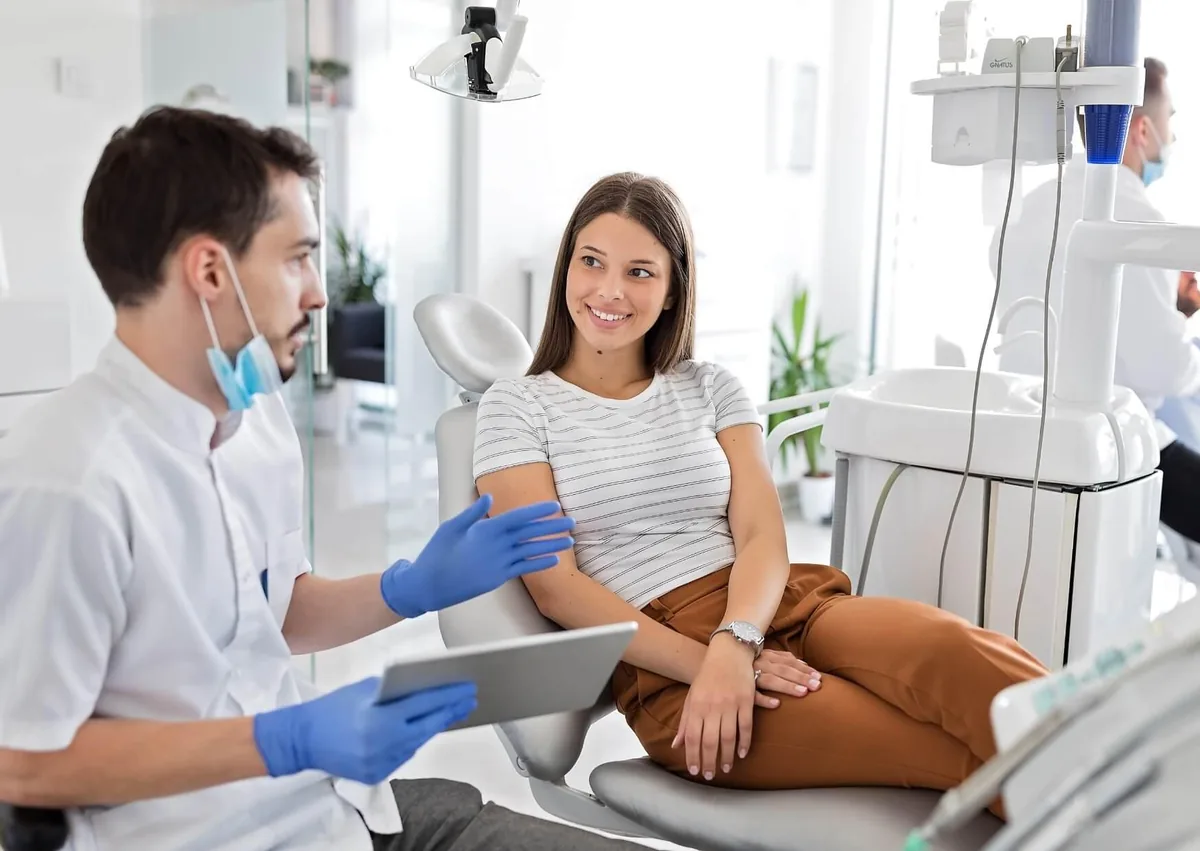
Orthodontic treatment can improve alignment and bite function, but it does not replace ongoing dental care. Teeth can shift after treatment, so retainers are generally needed to help maintain your results.
Ask whether the quoted fee includes initial retainers and retention checkups, and how replacements are charged. Removable and bonded retainers have different cleaning and maintenance needs; a bonded retainer is not maintenance-free.
Learn more about retainer costs when planning for care after treatment.
An evaluation is appropriate if crowding, spacing, or your bite concerns you and you want a less-visible treatment option.
Bring your insurance information, relevant dental records if available, and questions about speech, cleaning, cost, and continuity of care. This helps the consultation address your daily life as well as your teeth.
To discuss braces behind the teeth at Bryant Orthodontics in Windsor Mill, MD, near Woodlawn and Catonsville, call (443) 917-2128 to schedule an appointment.
Placement and adjustments require specialized techniques, and some systems involve customized components. The exact fee depends on your treatment plan and the office's pricing.
Sometimes, but treating one arch alone may not adequately address how your teeth fit together. An orthodontist must evaluate both arches before recommending limited treatment.
Some plans may contribute through an orthodontic benefit, while others exclude coverage or limit the amount paid. Confirm appliance restrictions, age limits, and remaining benefits with your insurer before starting.
That depends on the office's treatment agreement. Ask whether initial retainers, retention checks, and replacements are included or billed separately.