
Traditional metal braces are a reliable way to straighten teeth and correct many bite problems in children, teens, and adults. They give orthodontists precise control over tooth movement, especially in cases that need more than minor cosmetic changes. Treatment does require regular adjustments, careful cleaning, and some food restrictions.
If you’re deciding how to correct crowding, spacing, or bite problems, learning about metal braces can help you choose the most effective path for lasting alignment. Bryant Orthodontics in Windsor Mill, MD outlines expected steps, typical timelines, and practical benefits so you understand what treatment involves.
Traditional metal braces can treat crowding, spacing, rotated teeth, and teeth that have not erupted into the right position. They can also help when the upper and lower dental midlines do not line up.
They are commonly used to correct bite problems such as overbite, underbite, crossbite, and open bite. These issues affect how the teeth fit together and may contribute to uneven wear, chewing difficulty, gum irritation, or jaw strain.
A smile may look only slightly off even when the underlying bite problem is more involved. That is why orthodontists use an exam, photos, and X-rays or digital scans to evaluate the teeth, roots, jaw relationships, and supporting bone before recommending treatment.
Metal brackets are bonded to the teeth and connected by an archwire. The wire applies controlled force, and elastic ties or other small components help hold it in place and guide movement.
As teeth respond to that pressure, the surrounding bone changes through bone remodeling. This is a gradual biologic process, which is why trying to move teeth faster is not necessarily safer and may increase the risk of unwanted effects.
Adjustment visits allow the orthodontist to change wires, add elastics, or modify other parts of the appliance. Your orthodontist will explain the full braces treatment, including visit timing and elastic wear, during treatment planning. Wearing prescribed rubber bands as directed is often important when correcting how the upper and lower teeth fit together.
The best treatment depends on the type of tooth movement needed, oral health, age, lifestyle, and how well a patient can follow instructions. No single appliance is right for every case.
|
Option |
Potential Advantages |
Main Tradeoffs |
|---|---|---|
|
Traditional metal braces |
Precise control, suitable for many complex cases, not removable |
Most visible, food restrictions, more detailed cleaning |
|
Ceramic braces |
Less noticeable brackets, similar fixed-appliance control in selected cases |
May cost more, can stain around elastic ties, brackets may be more brittle |
|
Clear aligners |
Removable for eating and cleaning, less visible |
Must be worn consistently, may not suit every movement, can be lost or damaged |
|
Lingual braces |
Attached behind the teeth and less visible from the front |
May affect speech or tongue comfort, not available for every case, often more expensive |
Some treatment plans also involve space management. Depending on the diagnosis, that may include arch expansion, reshaping small amounts of enamel between selected teeth, or removing teeth, but those decisions require individualized records and discussion.
For a direct comparison of appearance and tradeoffs, see clear vs. metal braces.
Mild soreness or pressure is common for a few days after braces are placed or adjusted. Brackets may also rub the cheeks or lips at first, and orthodontic wax can help protect those areas while the mouth adapts.
Treatment time varies based on the starting problem, growth, bone response, missed visits, broken appliances, and cooperation with elastics. Many comprehensive cases take about one to three years, but only an orthodontic evaluation can provide a meaningful estimate.
Severe pain, facial swelling, fever, pus, trouble swallowing or breathing, significant dental trauma, or uncontrolled bleeding needs prompt professional care. A loose bracket or poking wire is usually not an emergency, but the orthodontic office should still be contacted for safe instructions rather than trying to cut or remove anything at home.
Brackets and wires create more places for plaque and food to collect. Careful brushing around each bracket, daily cleaning between the teeth with floss threaders or interdental brushes, and fluoride toothpaste can help reduce the risk of cavities, gum inflammation, and permanent white spots.
Hard, sticky, and very chewy foods can bend wires or loosen brackets. Whole apples, raw carrots, and similar firm foods are often safer when cut into small pieces, while ice, hard candy, popcorn kernels, and chewing gum may need to be avoided based on your orthodontist’s instructions.
Routine dental cleanings and cavity checks still matter during orthodontic treatment. If active decay or gum disease is present, it may need to be controlled before braces are placed or while treatment is adjusted. For specifics on sweets and treats, see eating candy with braces.
Teeth naturally tend to shift after braces come off because the surrounding bone and fibers need time to stabilize. A removable or fixed retainer helps protect the result, and many patients need some form of long-term retainer wear.
Straighter teeth are often easier to clean, and a better bite may support more balanced chewing and reduce abnormal tooth wear. The exact health and functional benefits depend on the starting condition, treatment response, and long-term home care.
For more on post-treatment movement, read teeth shifting after braces.
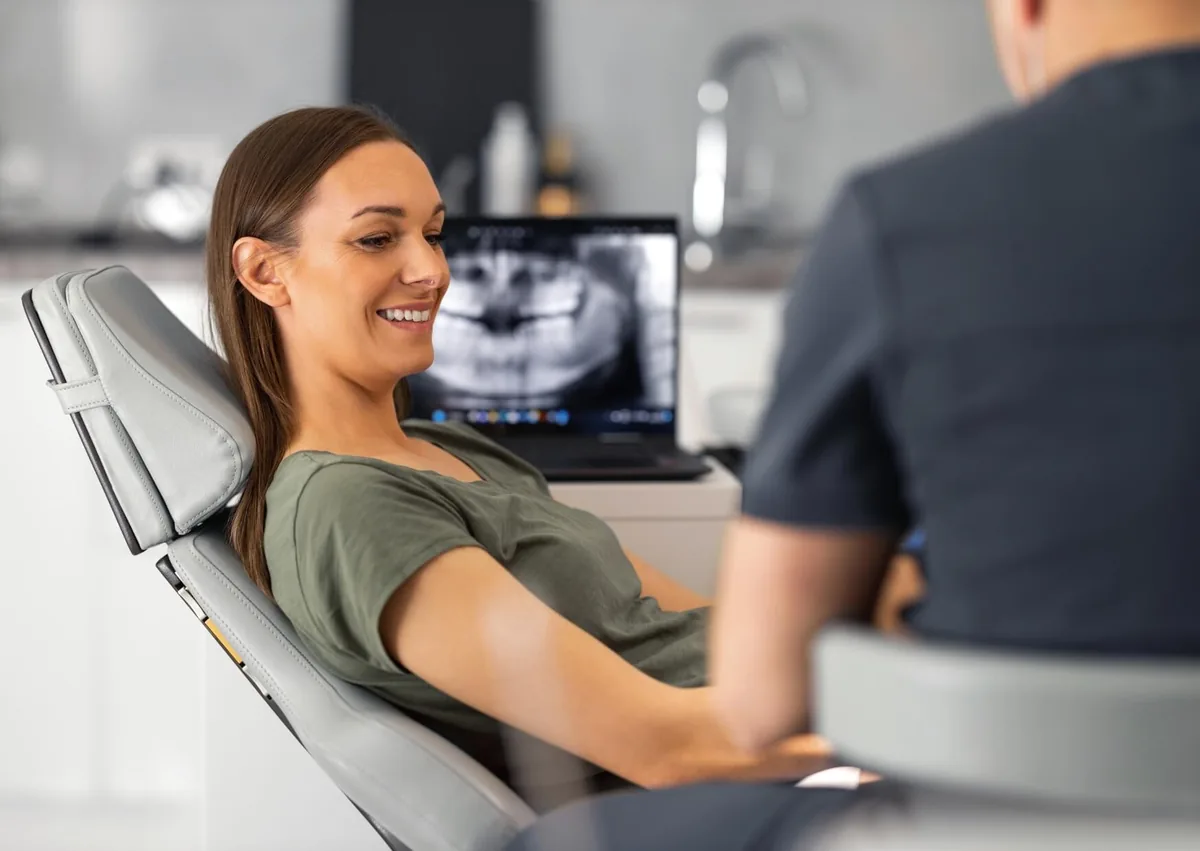
It is worth scheduling an evaluation when crowding, spacing, protruding teeth, an uneven bite, chewing difficulty, or unwanted tooth movement is noticeable. An assessment also makes sense if a general dentist has identified a bite concern.
For children, early or late tooth loss and a jaw shift when biting can also be reasons to check timing and development. Parents can explore children's orthodontics for age-specific guidance and monitoring.
To confirm whether metal braces are right for you, a clinical evaluation and records create a personalized plan and estimated timeframe. Call Bryant Orthodontics for metal braces in Windsor Mill, near Woodlawn and Catonsville, at (443) 917-2128 to schedule or book online.
No. Adults can get braces if their teeth, gums, and supporting bone are healthy enough for orthodontic movement. Some treatment plans may also require coordination with a general dentist or specialist. Adults considering treatment can learn more through adult orthodontics. See adults get braces for more details.
The brackets themselves do not usually damage healthy enamel when they are properly placed and removed. The bigger risk is plaque left around brackets, which can lead to decay or white spots if cleaning is inconsistent.
Visits are often scheduled every several weeks, but the exact timing depends on the appliance and stage of treatment. The orthodontic team sets the schedule based on how the teeth are responding.
Usually, yes. A braces-compatible mouthguard may be recommended for contact sports, and people who play wind instruments may need a short adjustment period or protective wax.
They are often among the more economical comprehensive orthodontic options, but fees vary by case complexity, treatment length, region, insurance coverage, and included services. A written estimate should clarify what is included, such as records, visits, retainers, and possible repair charges.